Stuttgart · Est. 1931

Sixty years of a silhouette.

There is no substitute.

A consultancy that designed the people’s car, then built the sports car its founder could not buy. From the first 356 to the 917 at Le Mans to the electric Taycan — the story of a shape that barely changed, and never had to.
Explore the timeline

The Origin

The car he could not buy

A consultancy that designed the people’s car, and then built the sports car its founder could not buy. From the first 356 to the 917 at Le Mans to the electric Taycan — the story of a silhouette that barely changed, and never had to.
  1. 1931

    A consultancy, not a carmaker

    Ferdinand Porsche opens his engineering office in Stuttgart — “Dr. Ing. h.c. F. Porsche GmbH.” It designs cars for other companies; it does not yet build any of its own.

  2. 1934

    The people’s car

    Porsche’s firm is commissioned to design an affordable “people’s car.” The result is the Volkswagen Beetle, whose rear-engined, air-cooled mechanicals will underpin the first Porsches.

  3. 1948

    Car No. 1

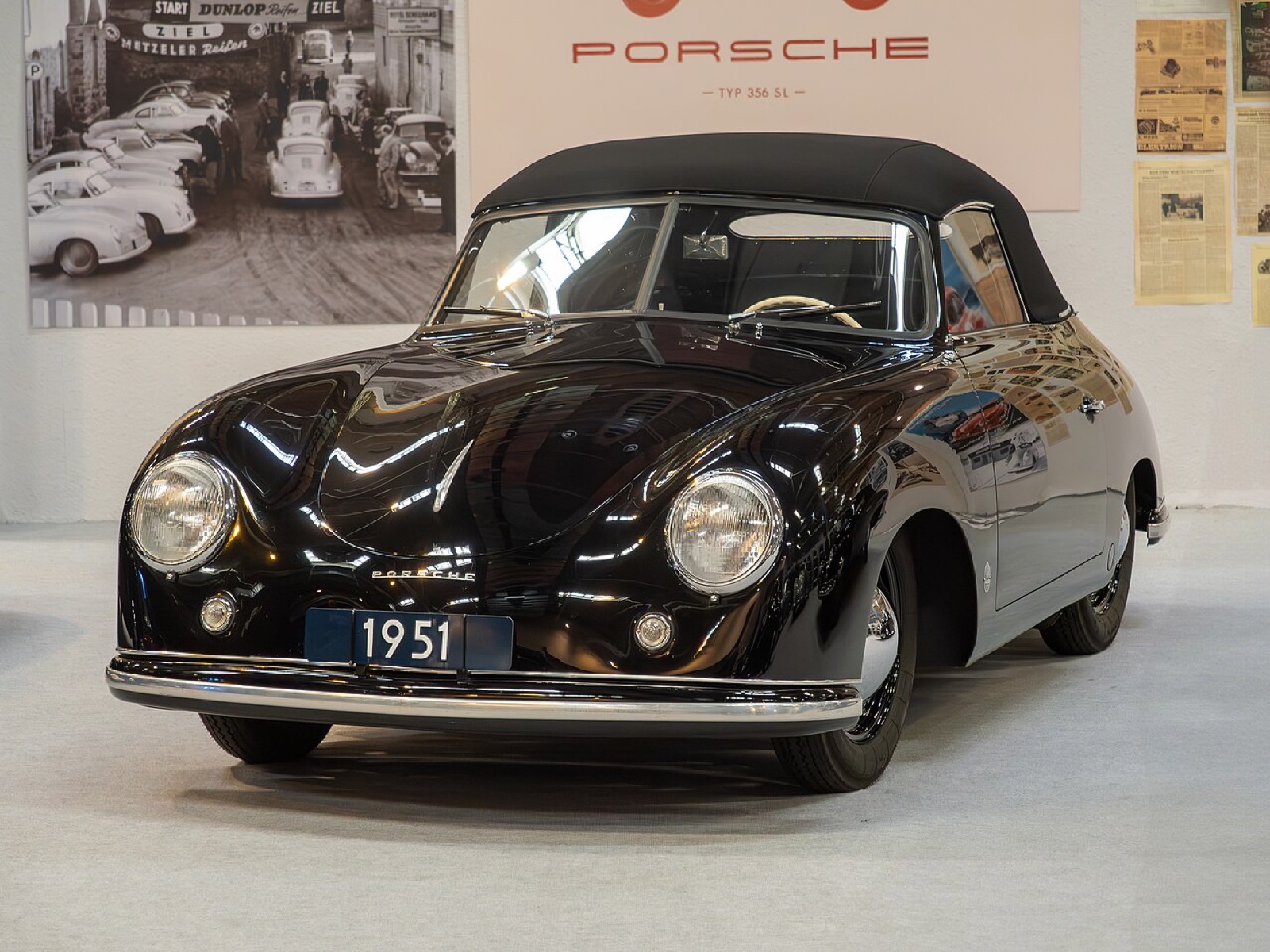
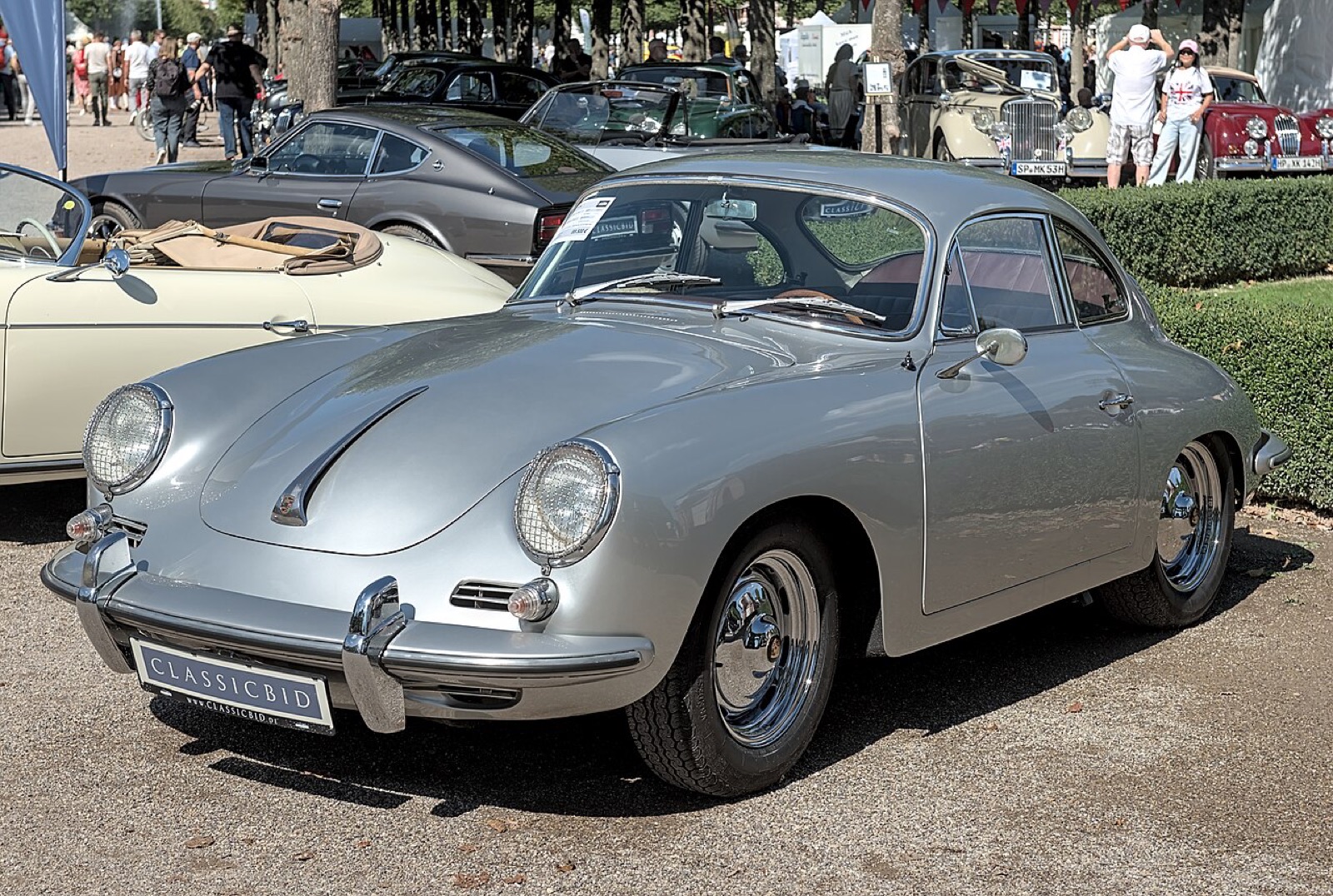
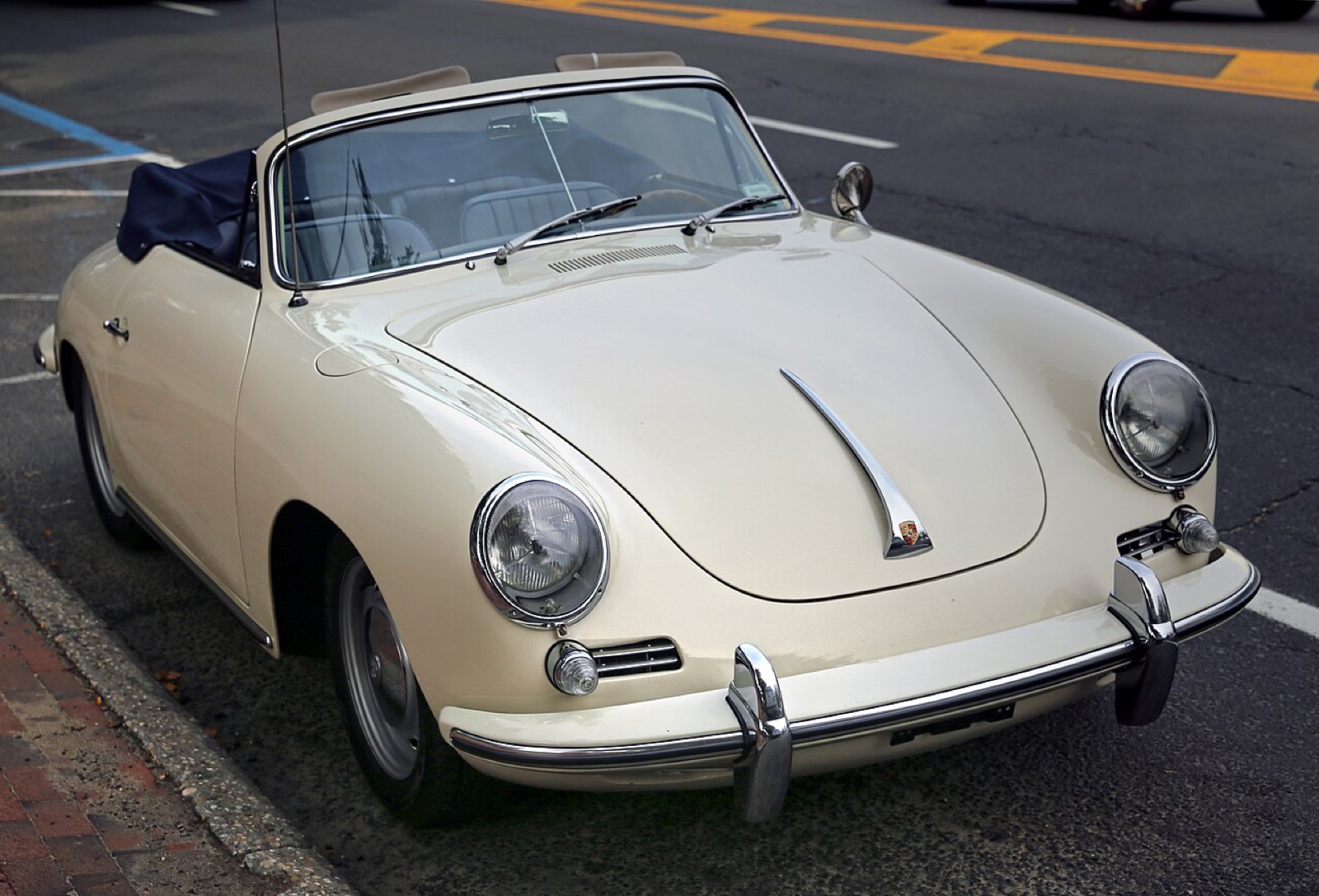
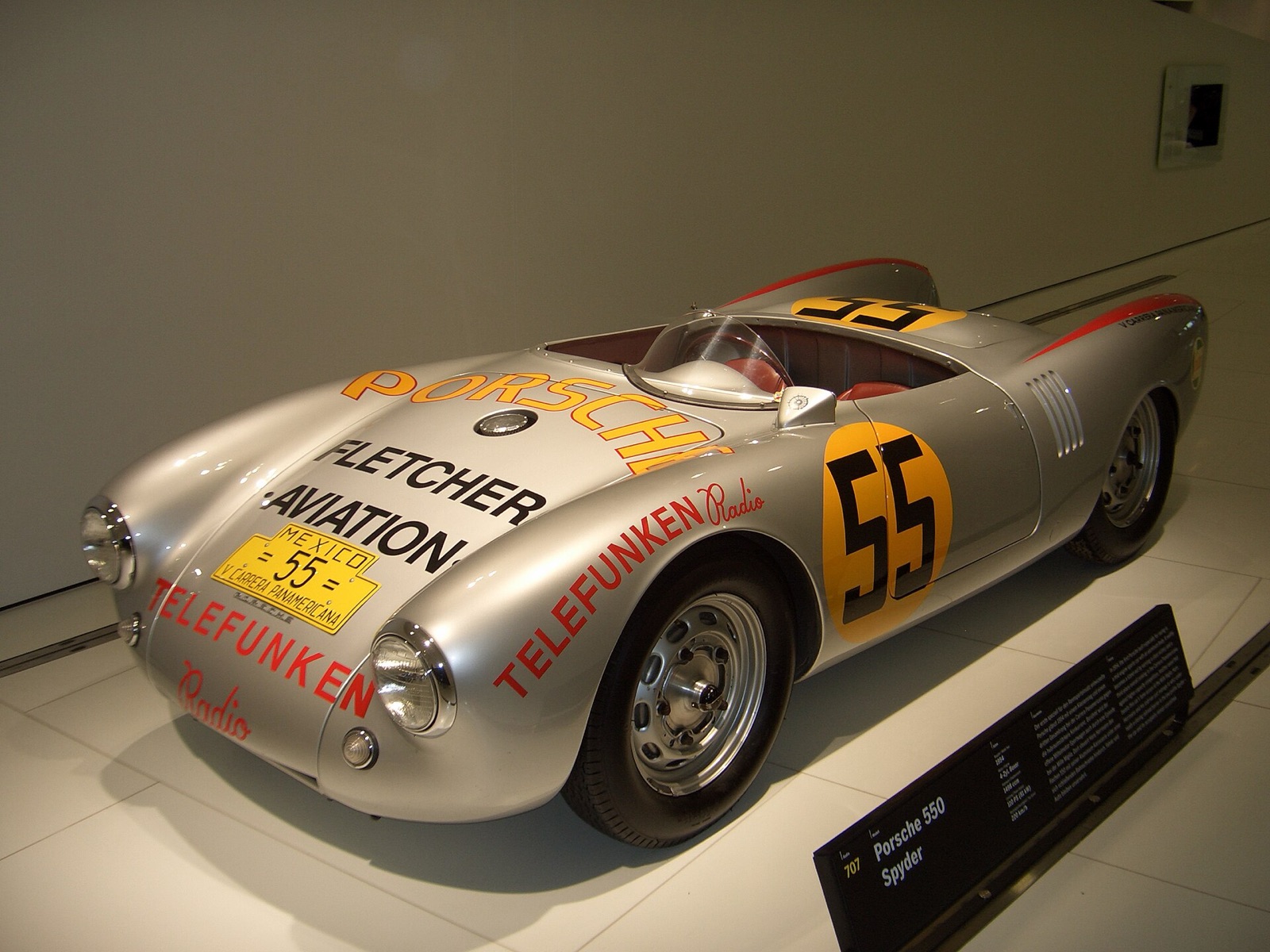
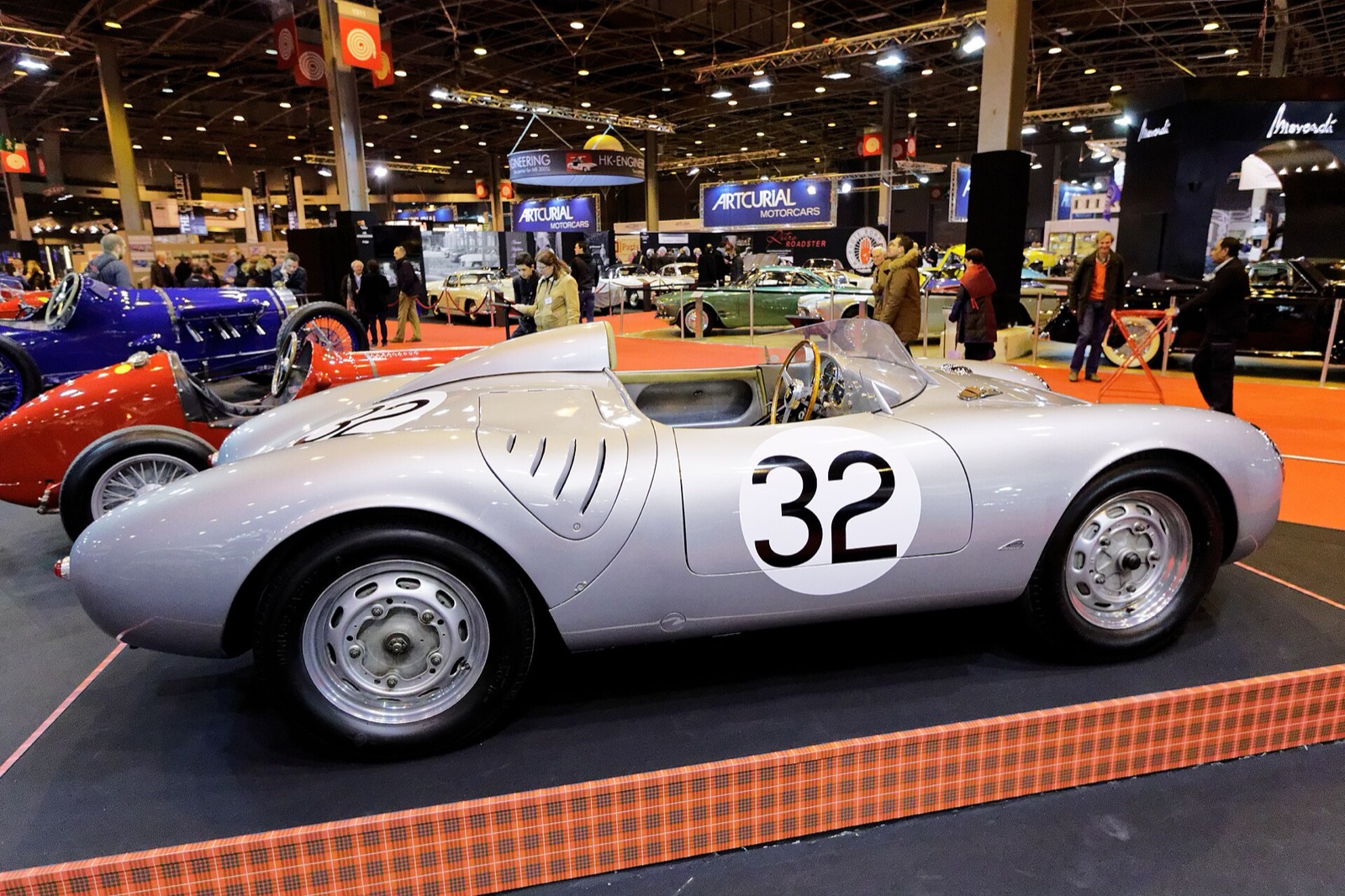
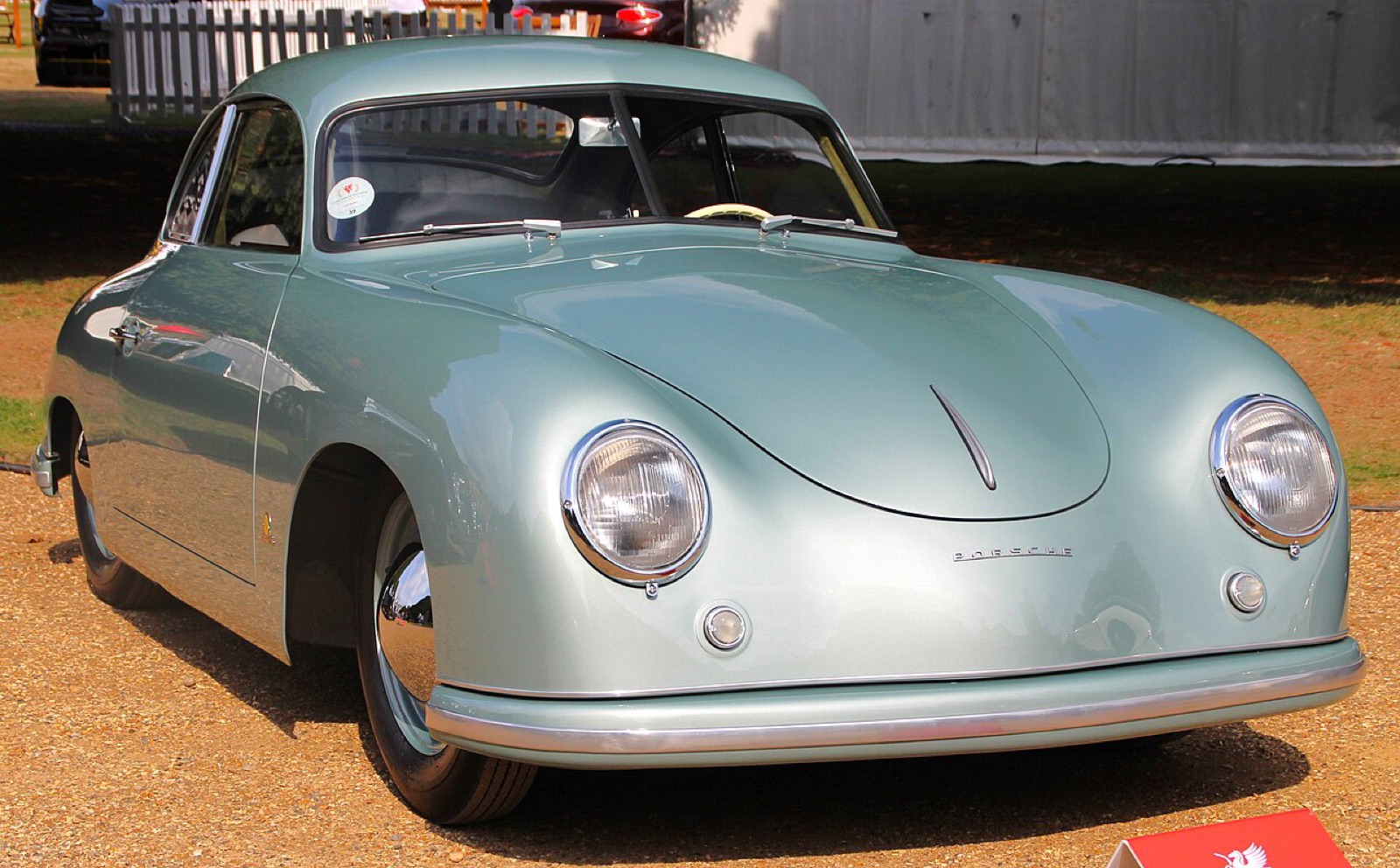
    In a sawmill in Gmünd, Austria, Ferry Porsche builds the 356 “No. 1” — the first car to wear the Porsche name. The consultancy becomes a carmaker.

  4. 1950

    Home in Zuffenhausen

    Production moves to Stuttgart-Zuffenhausen, where Porsche still designs and builds the 911 to this day.

  5. 1963

    Butzi draws the 911

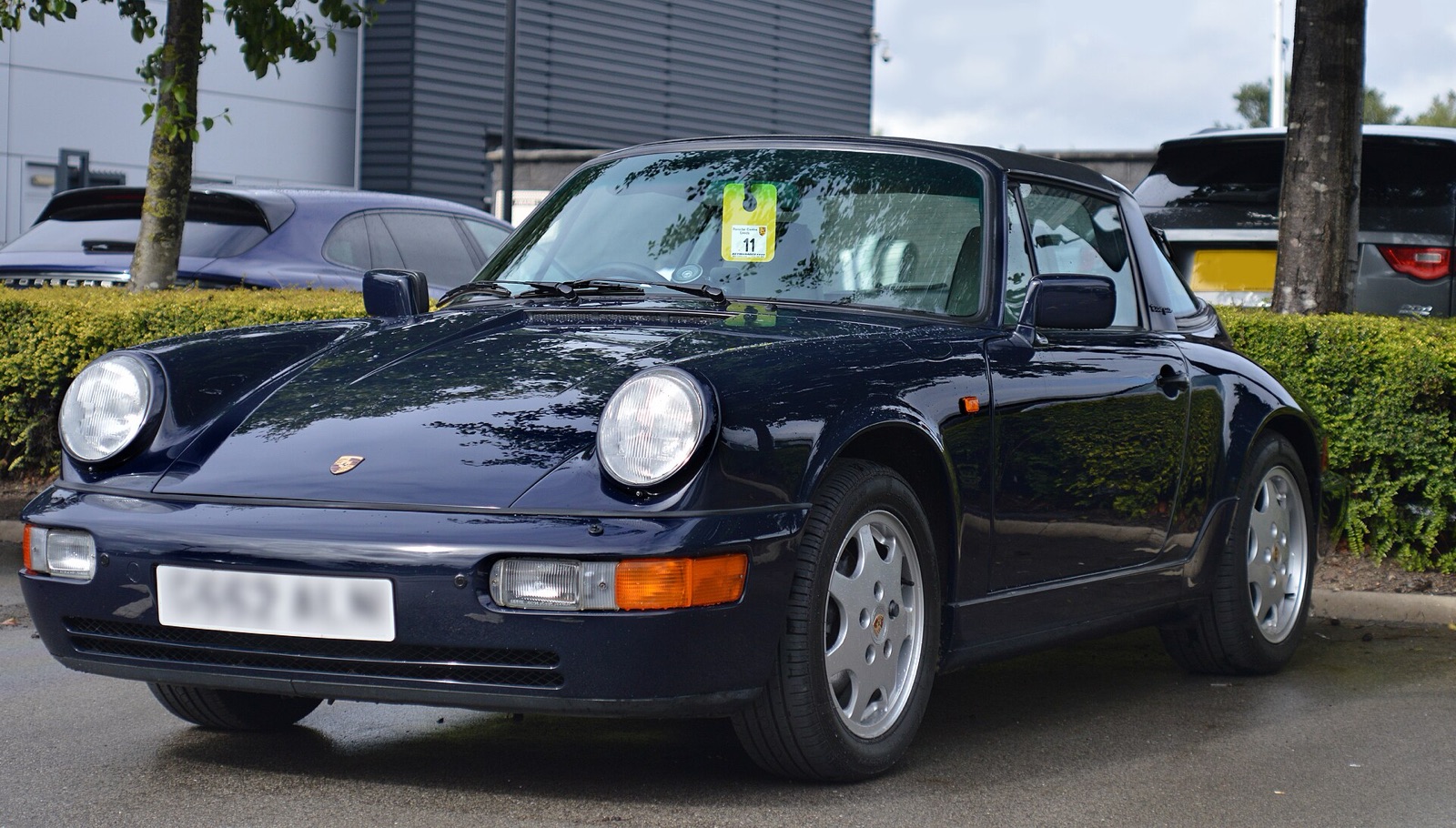
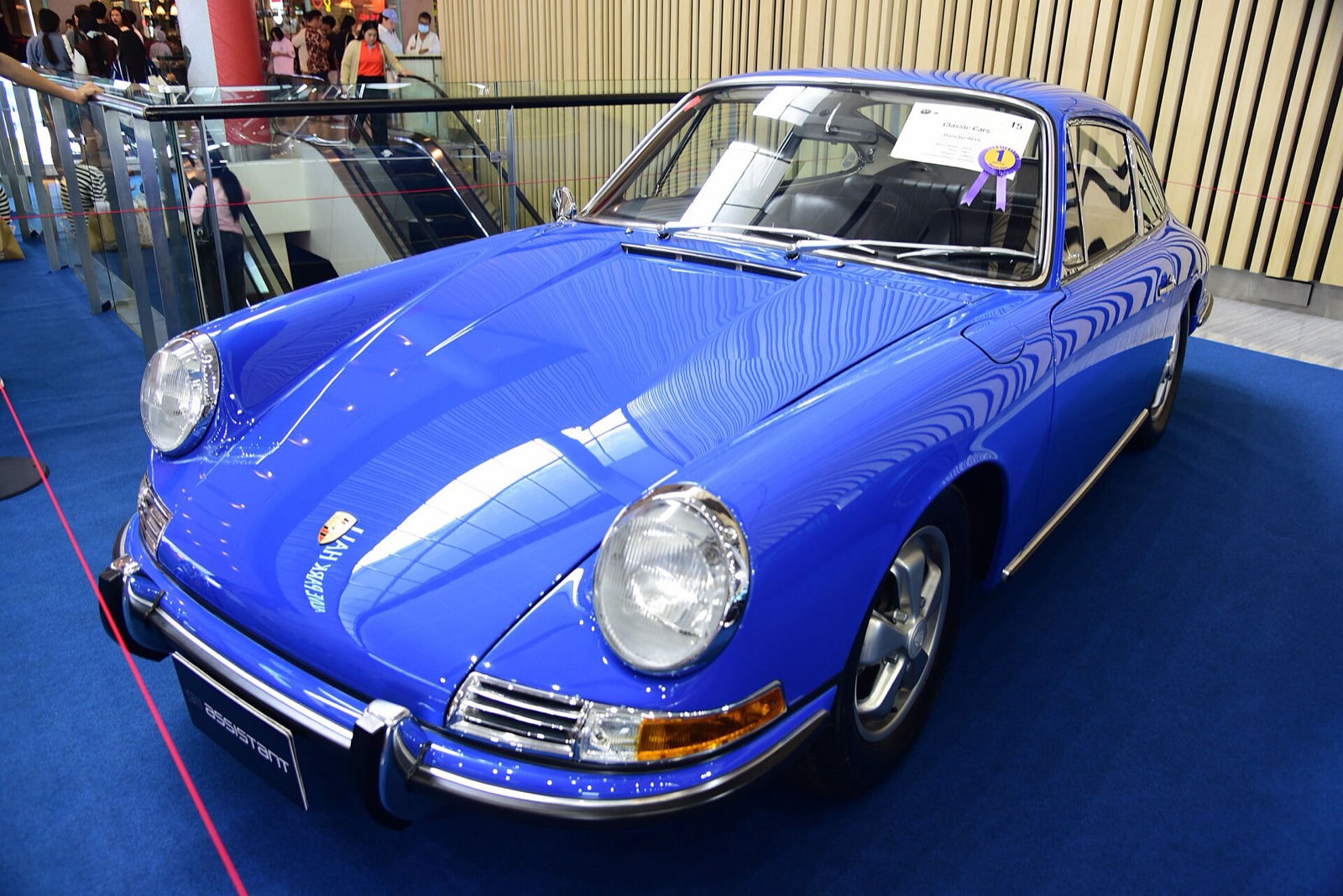
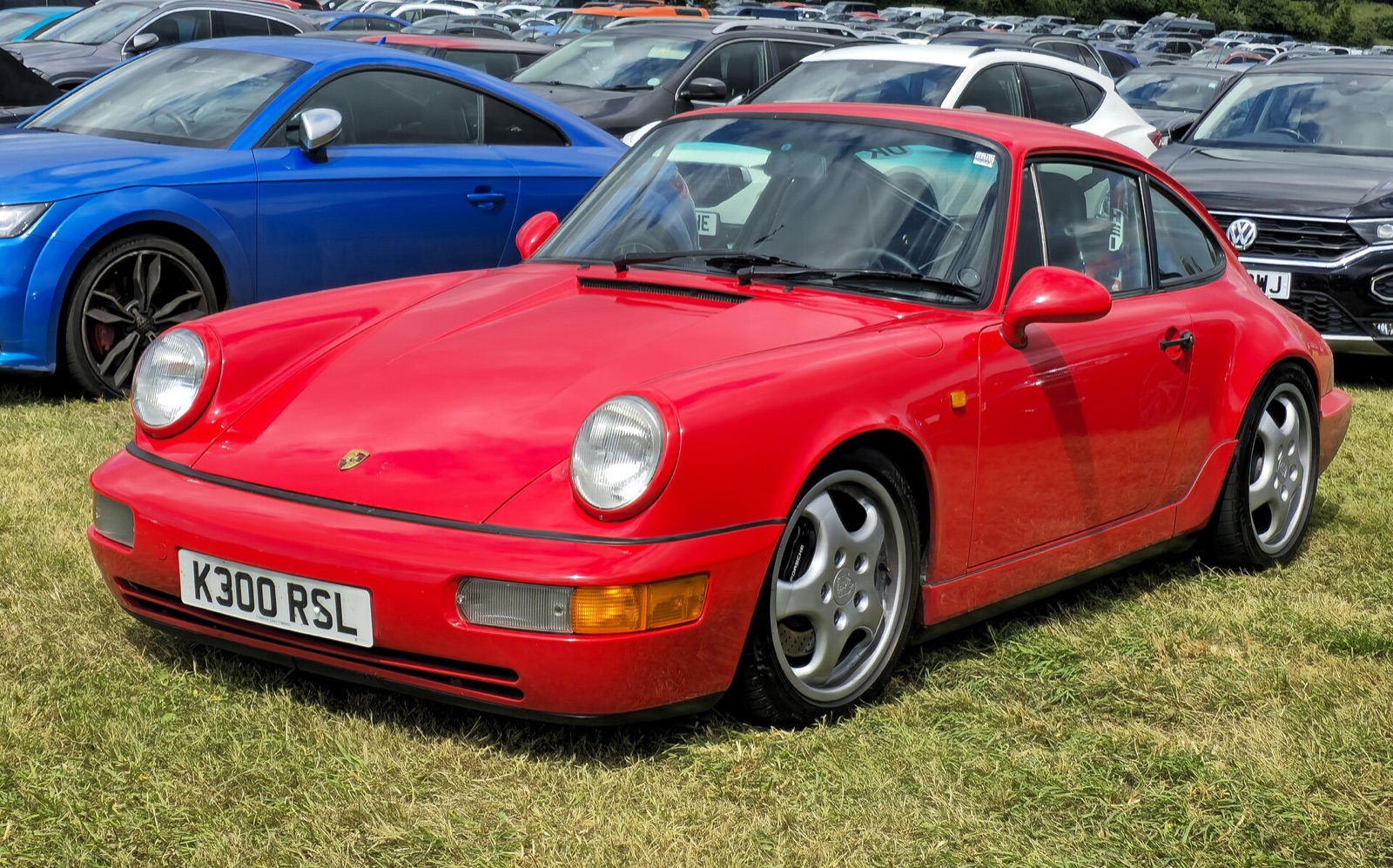
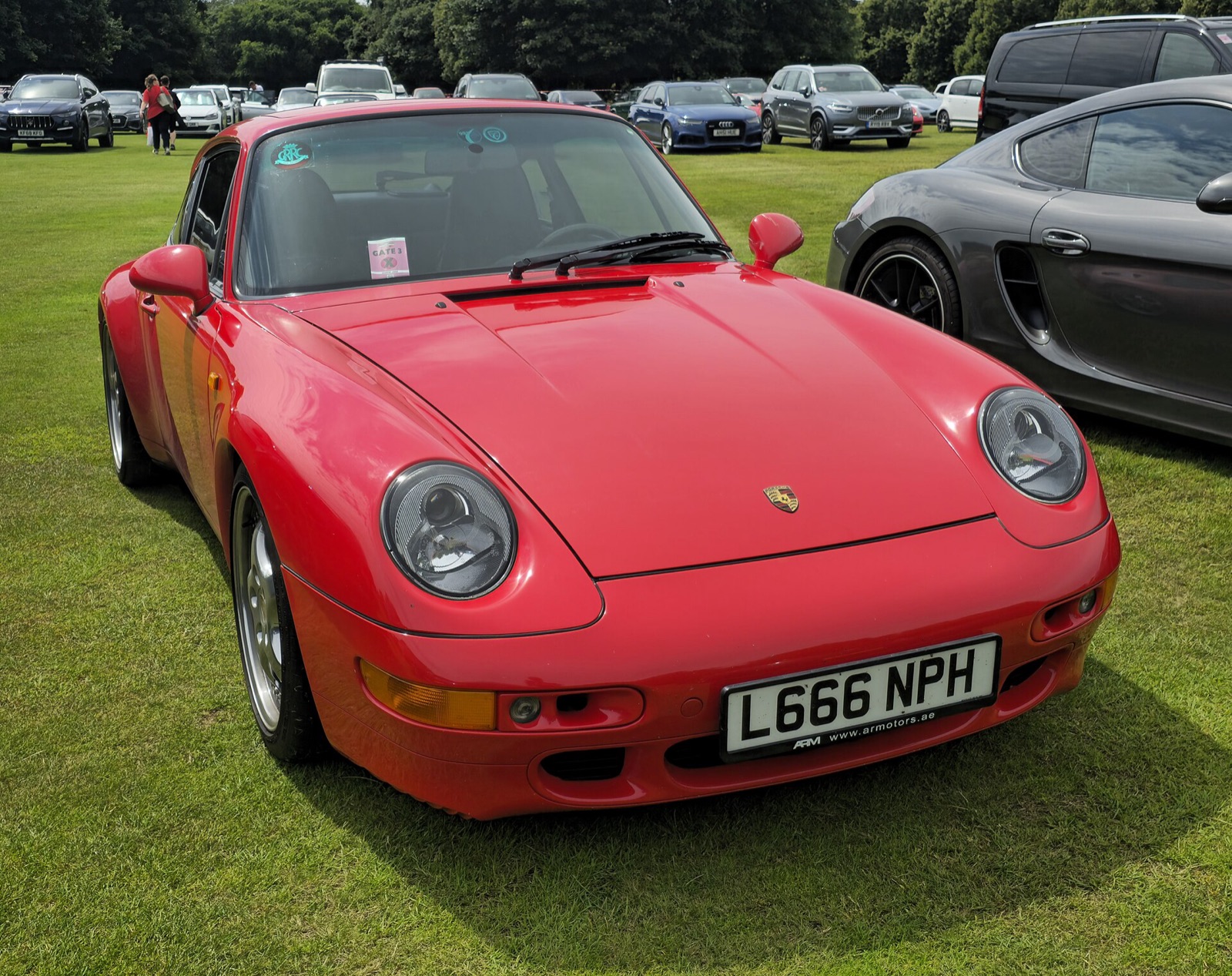
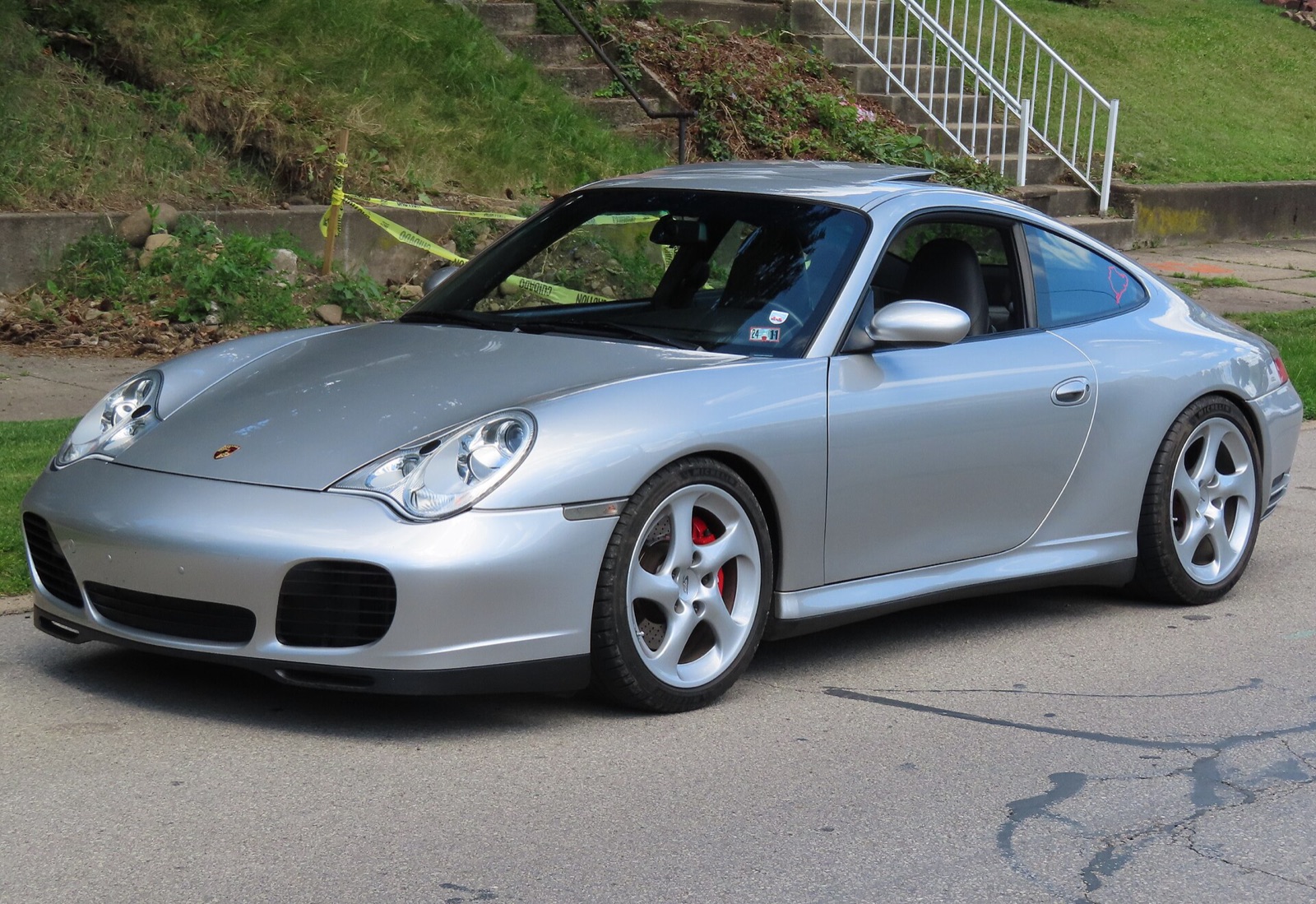
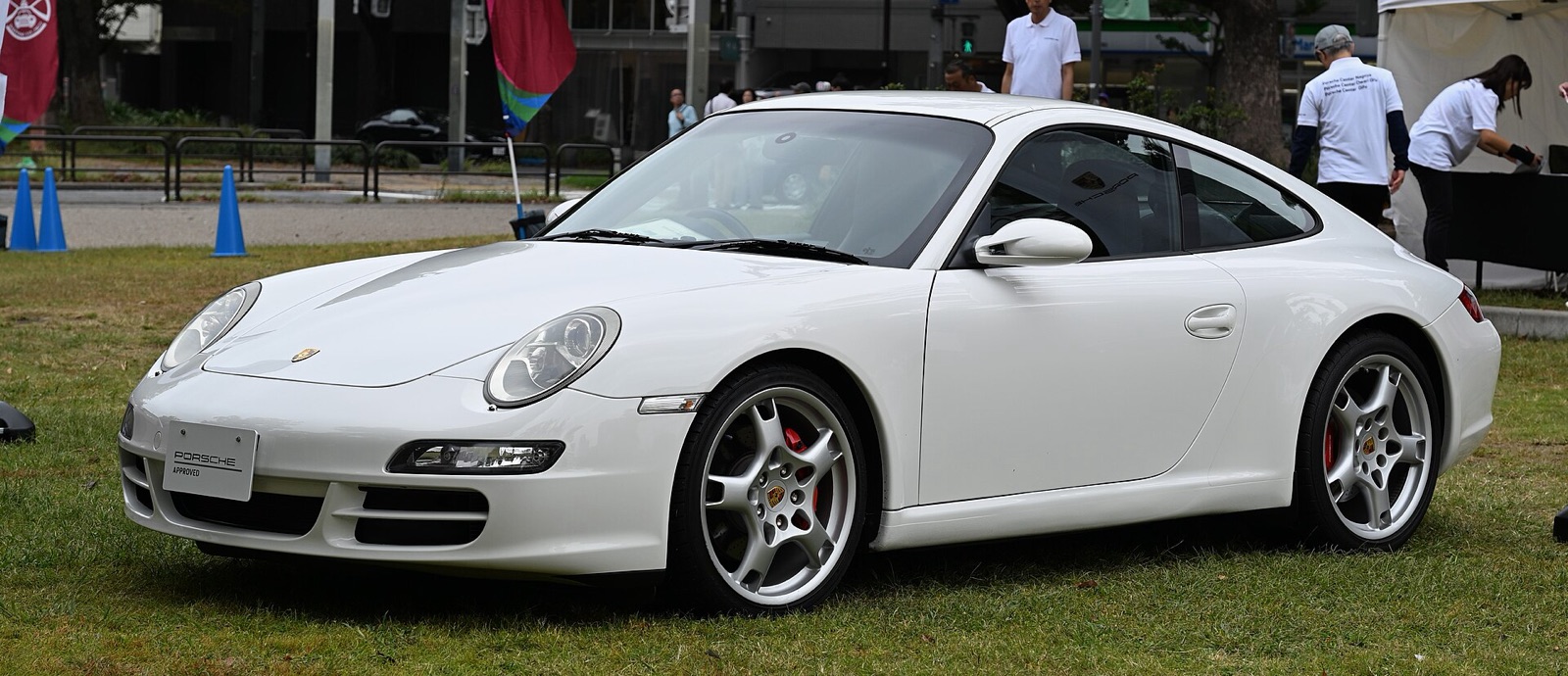
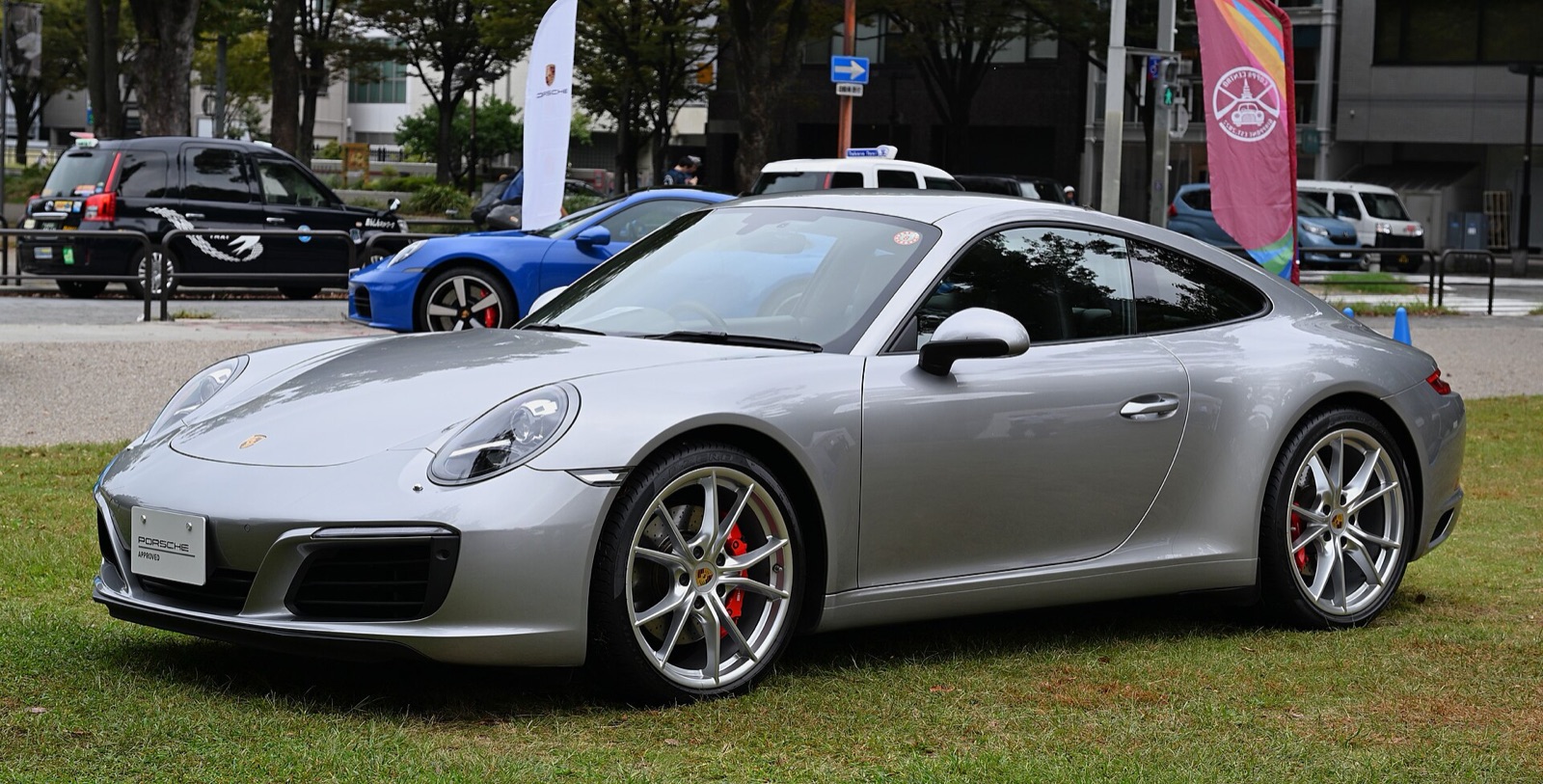
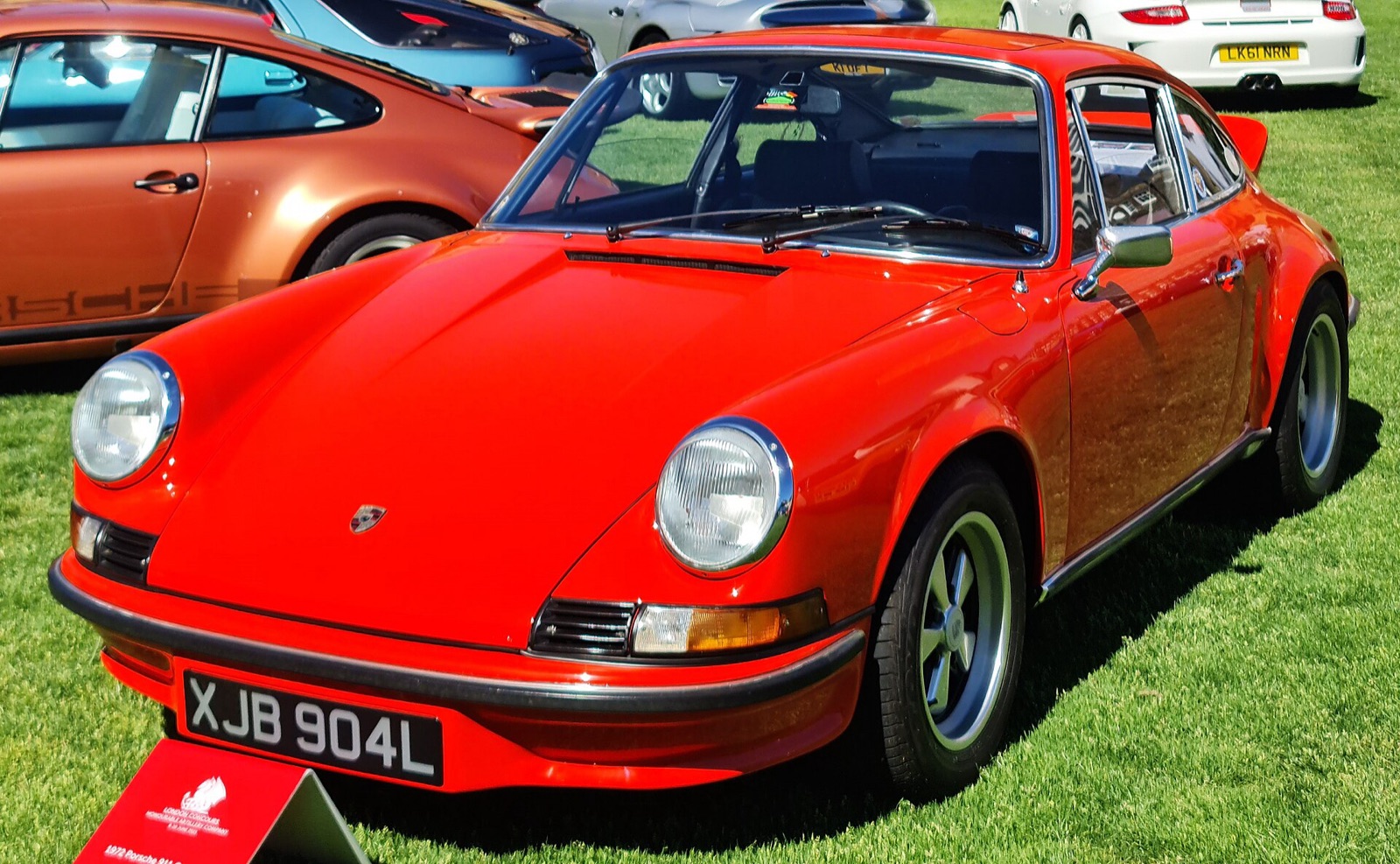
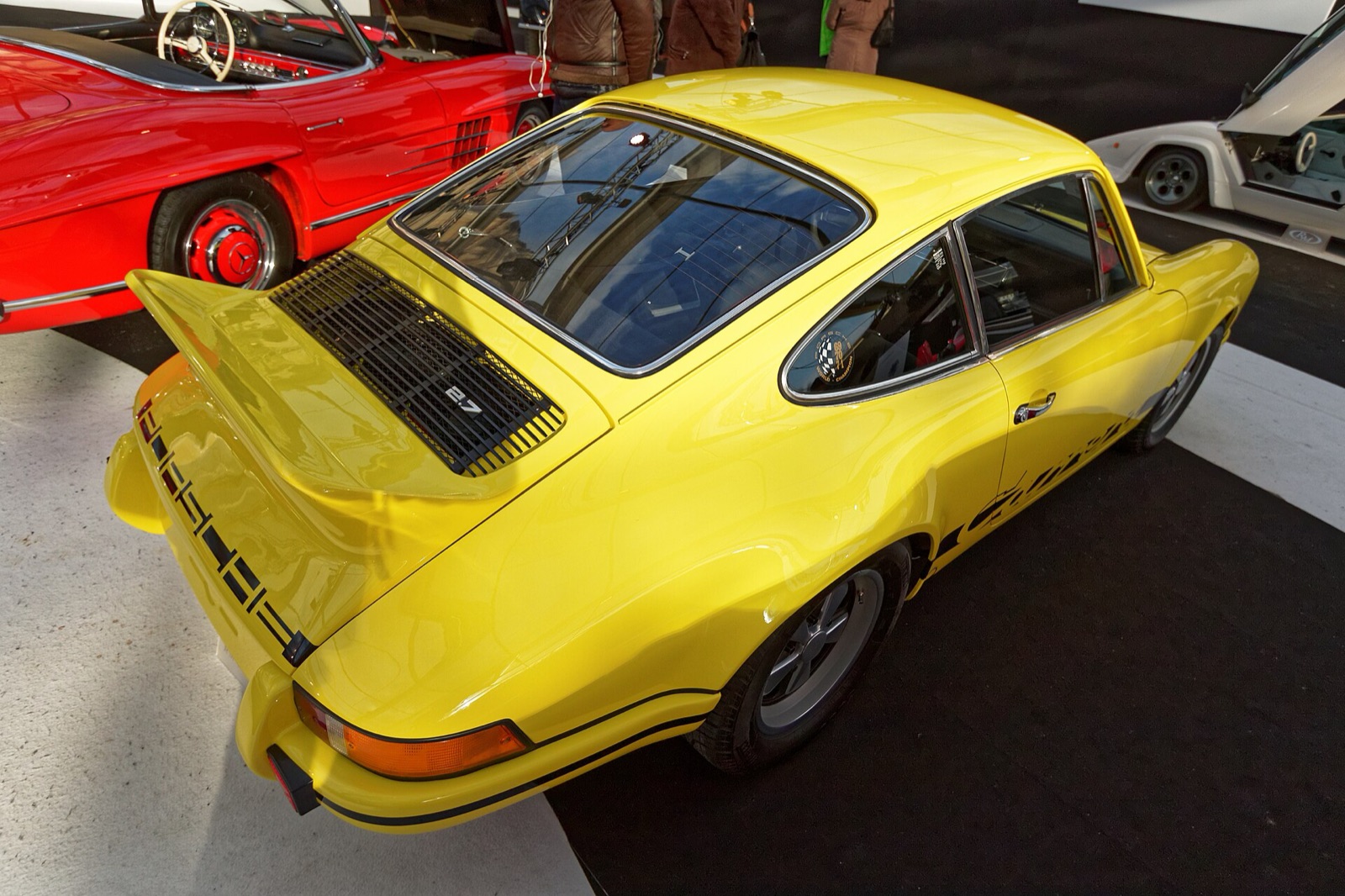
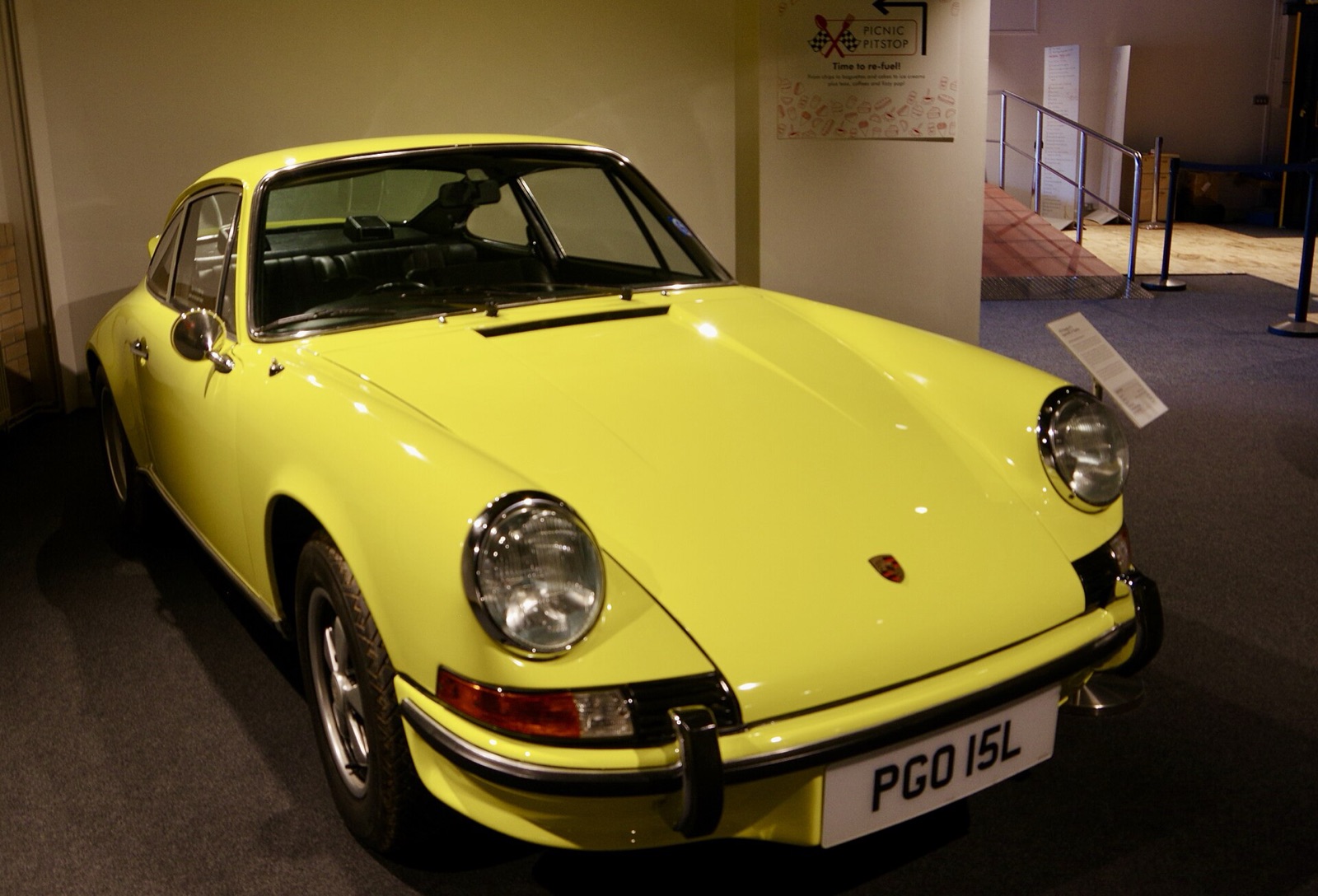
    Ferdinand Alexander “Butzi” Porsche unveils the 911 — the shape that will define the company for the next sixty years and counting.

  6. 1970

    Kings of Le Mans

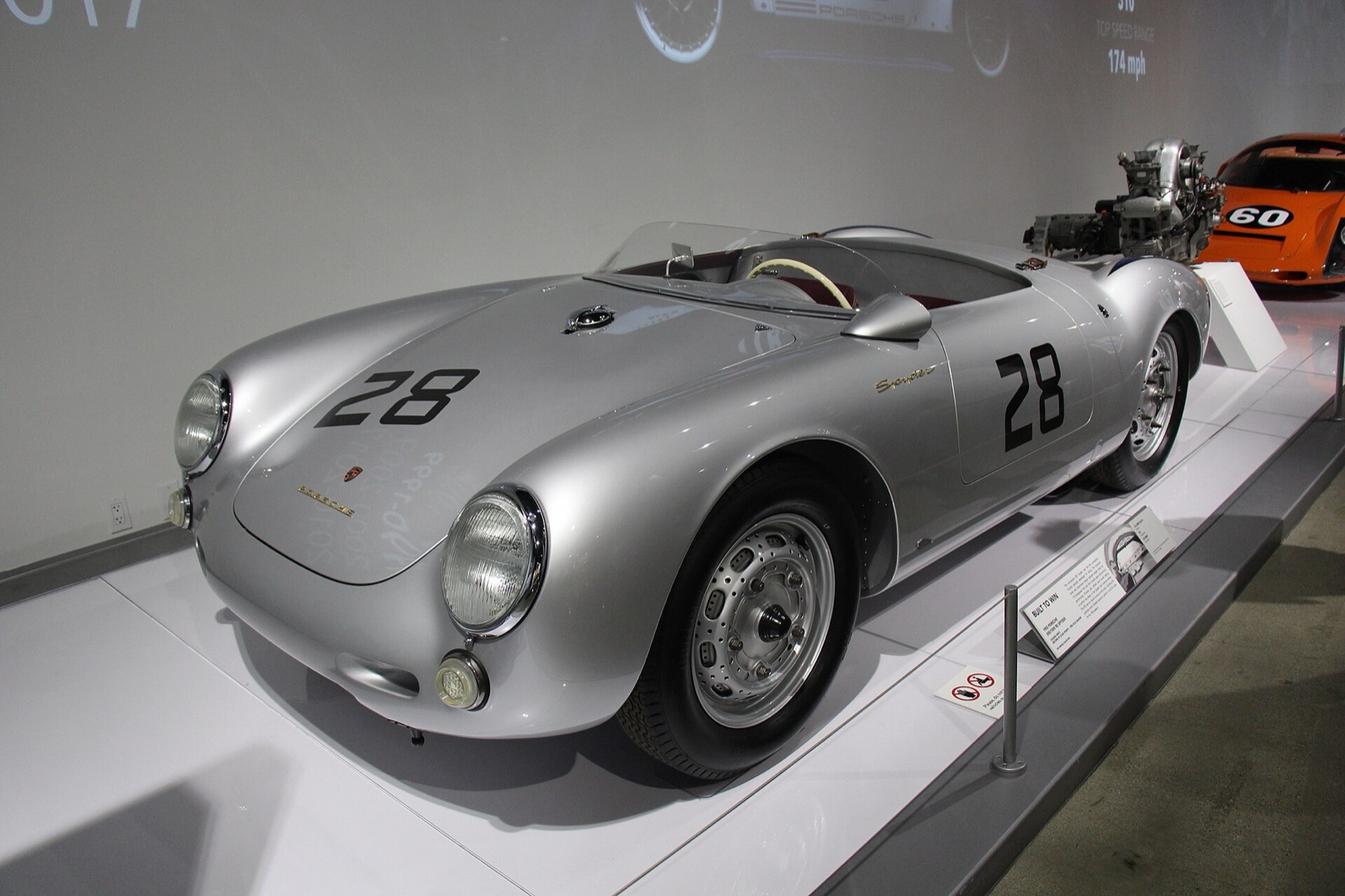
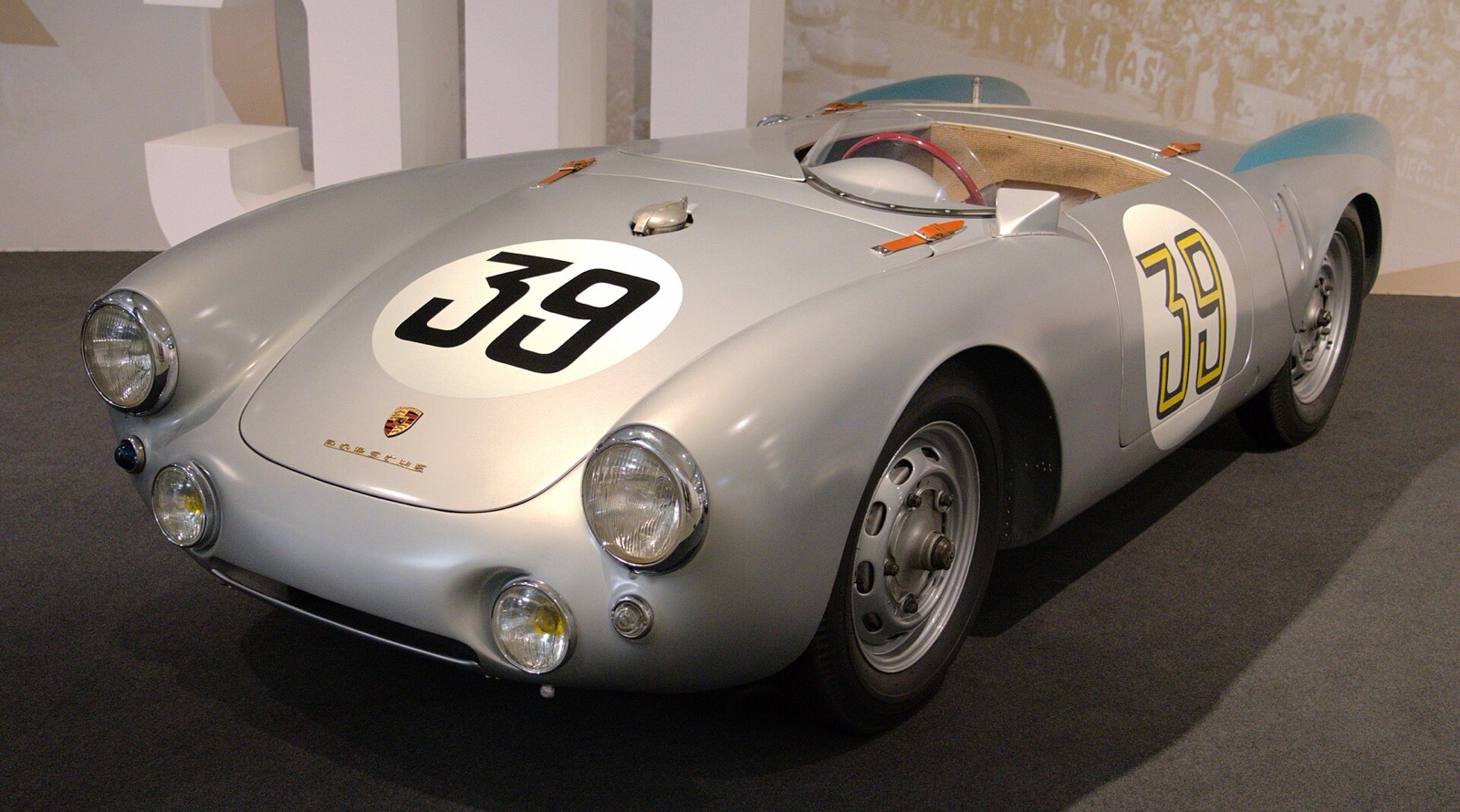
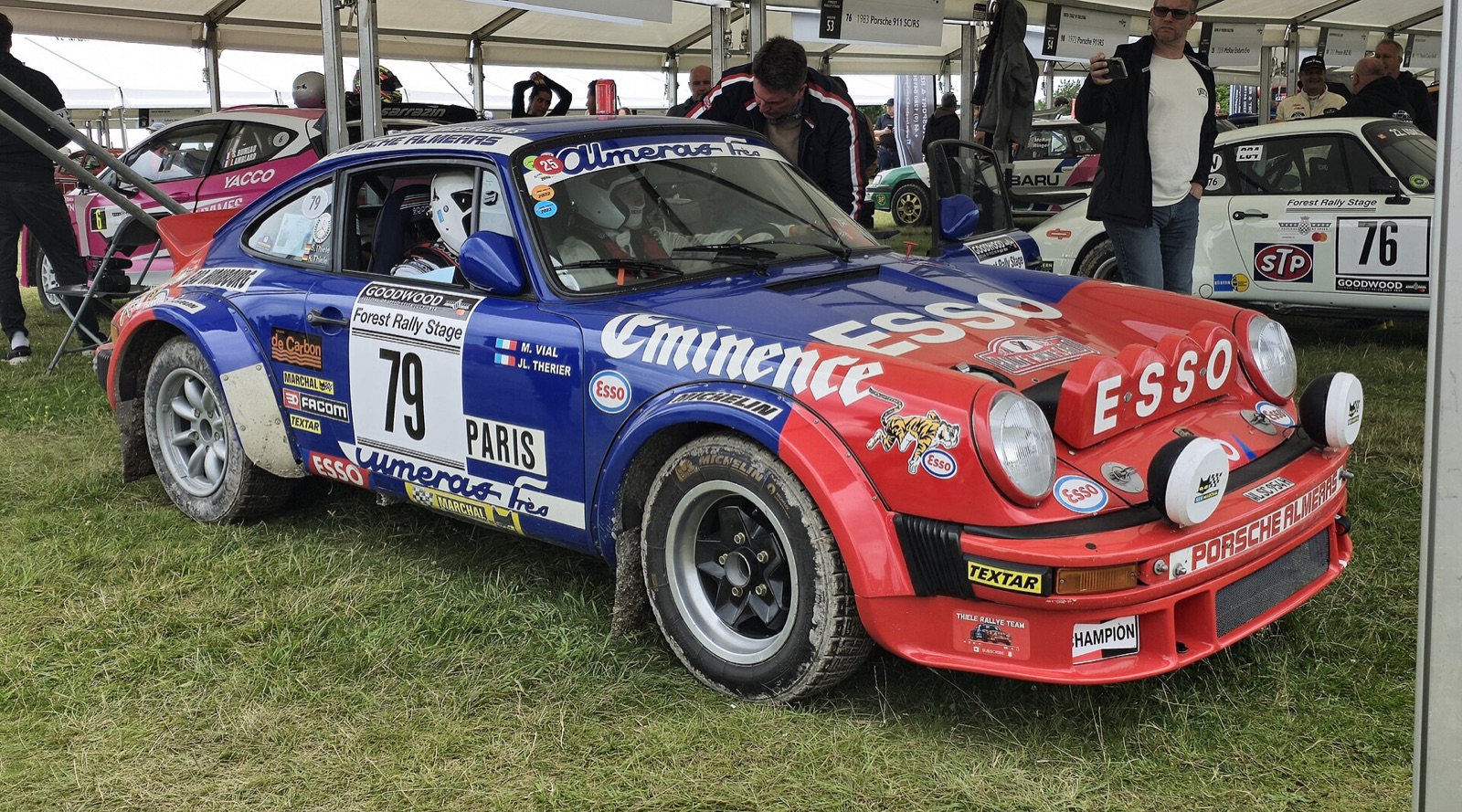
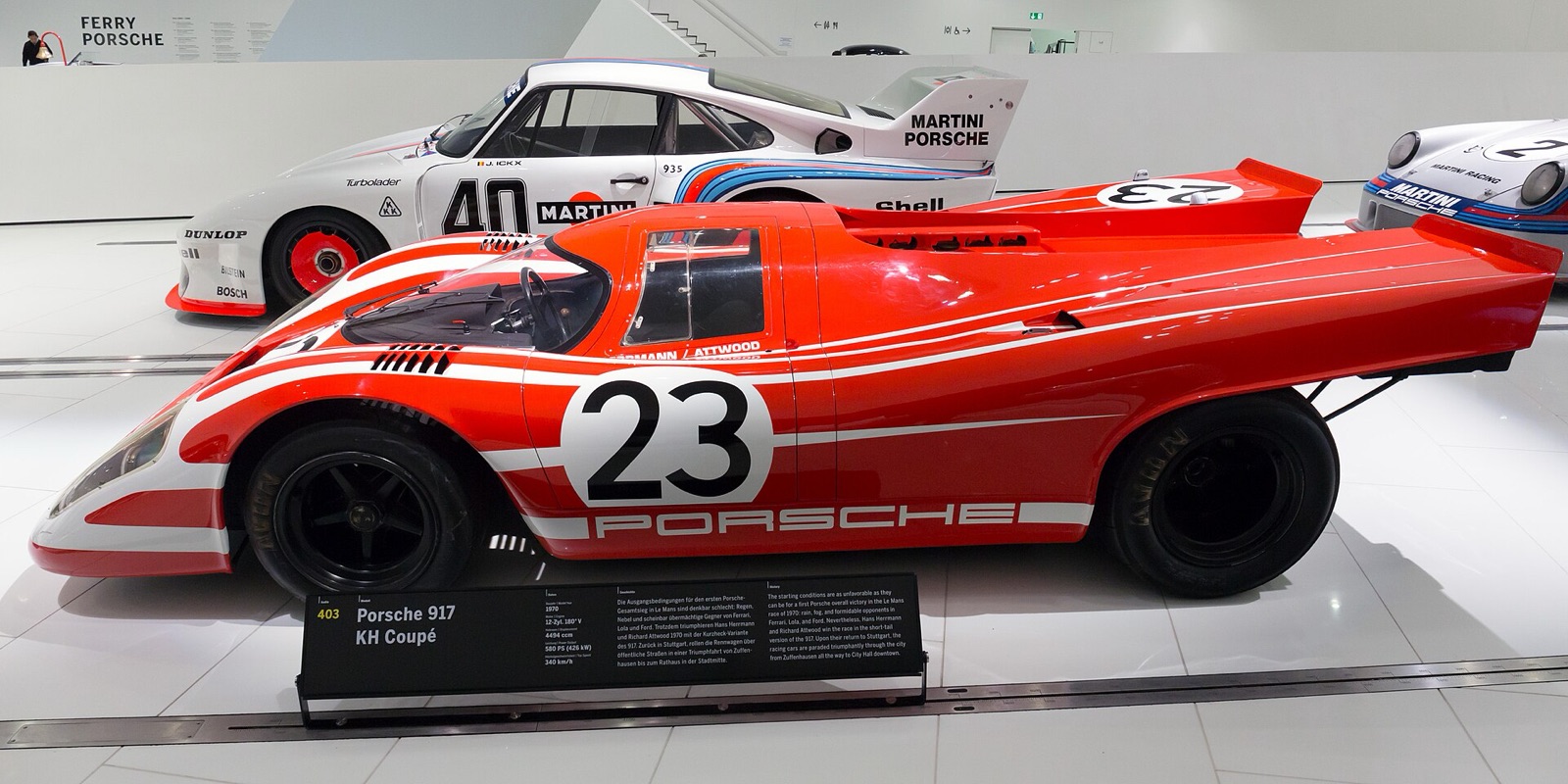
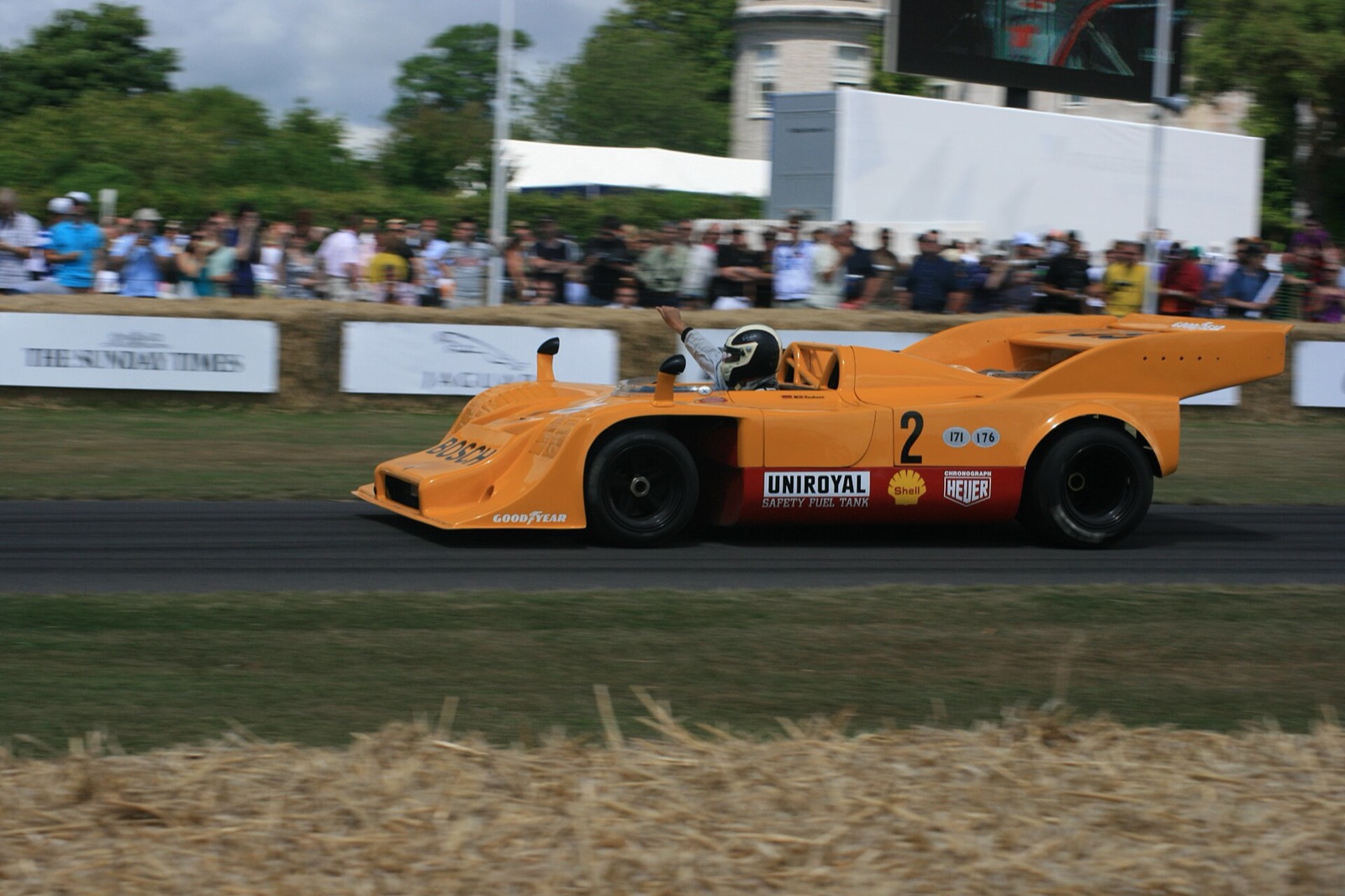
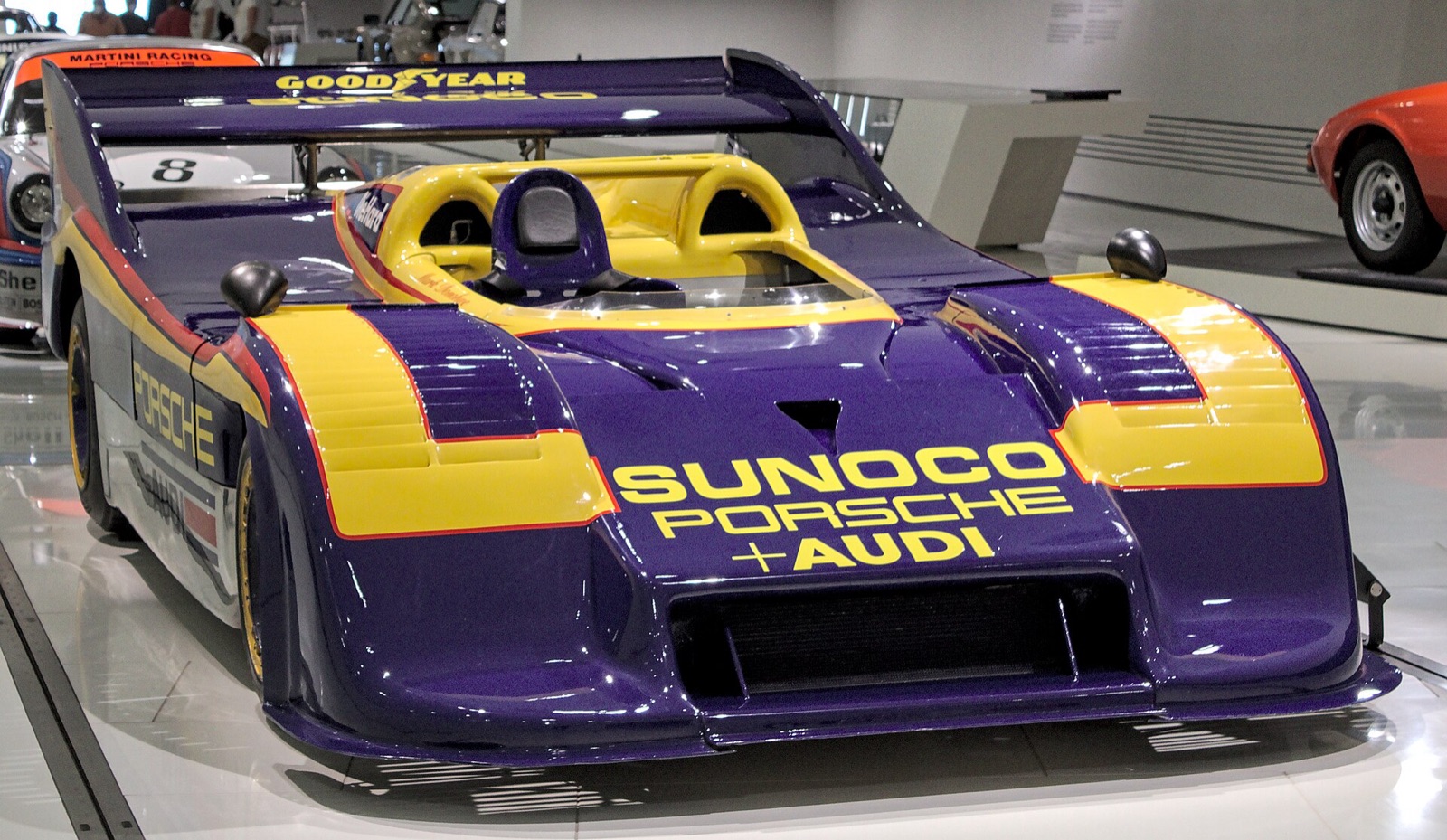
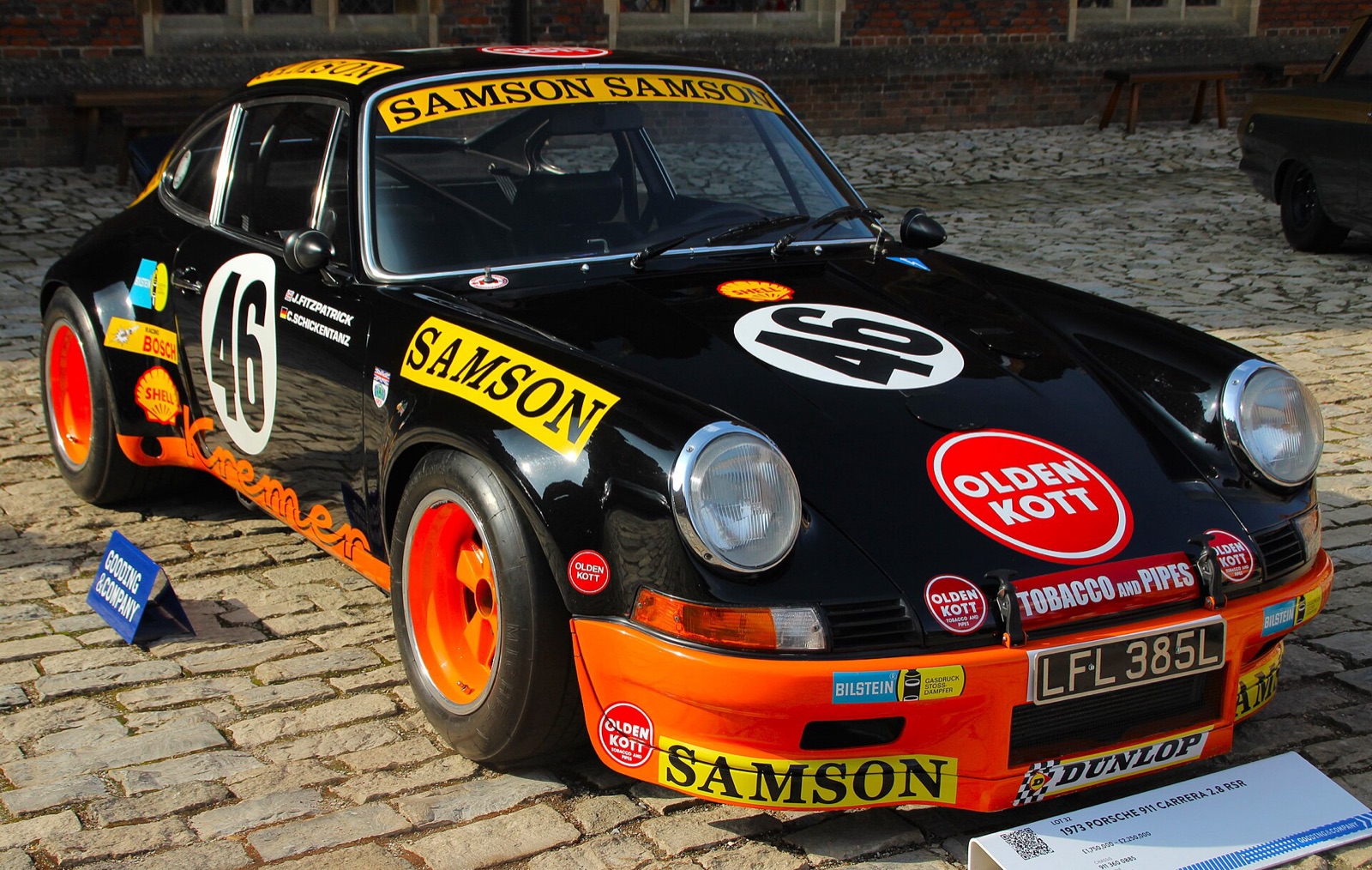
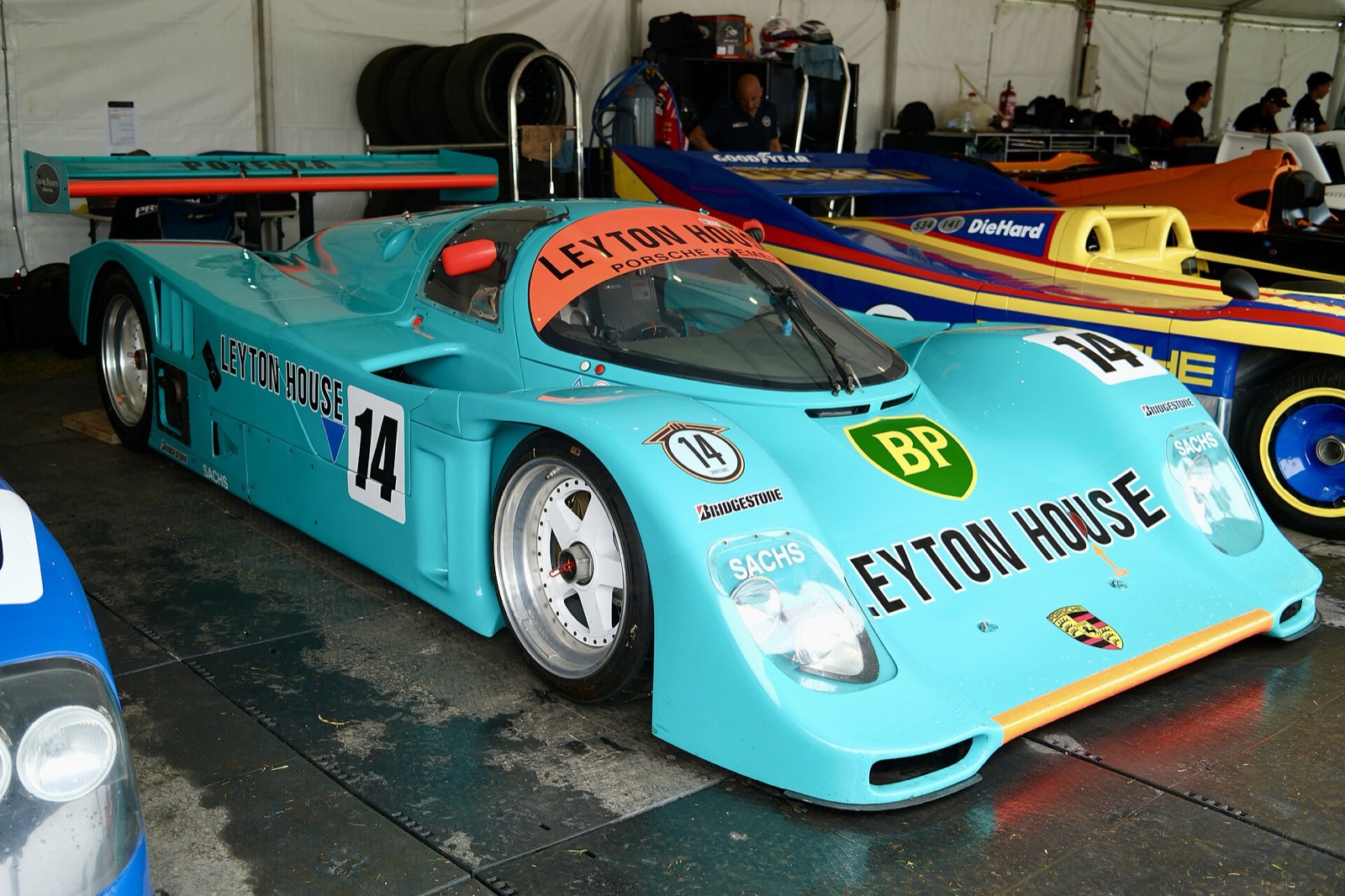
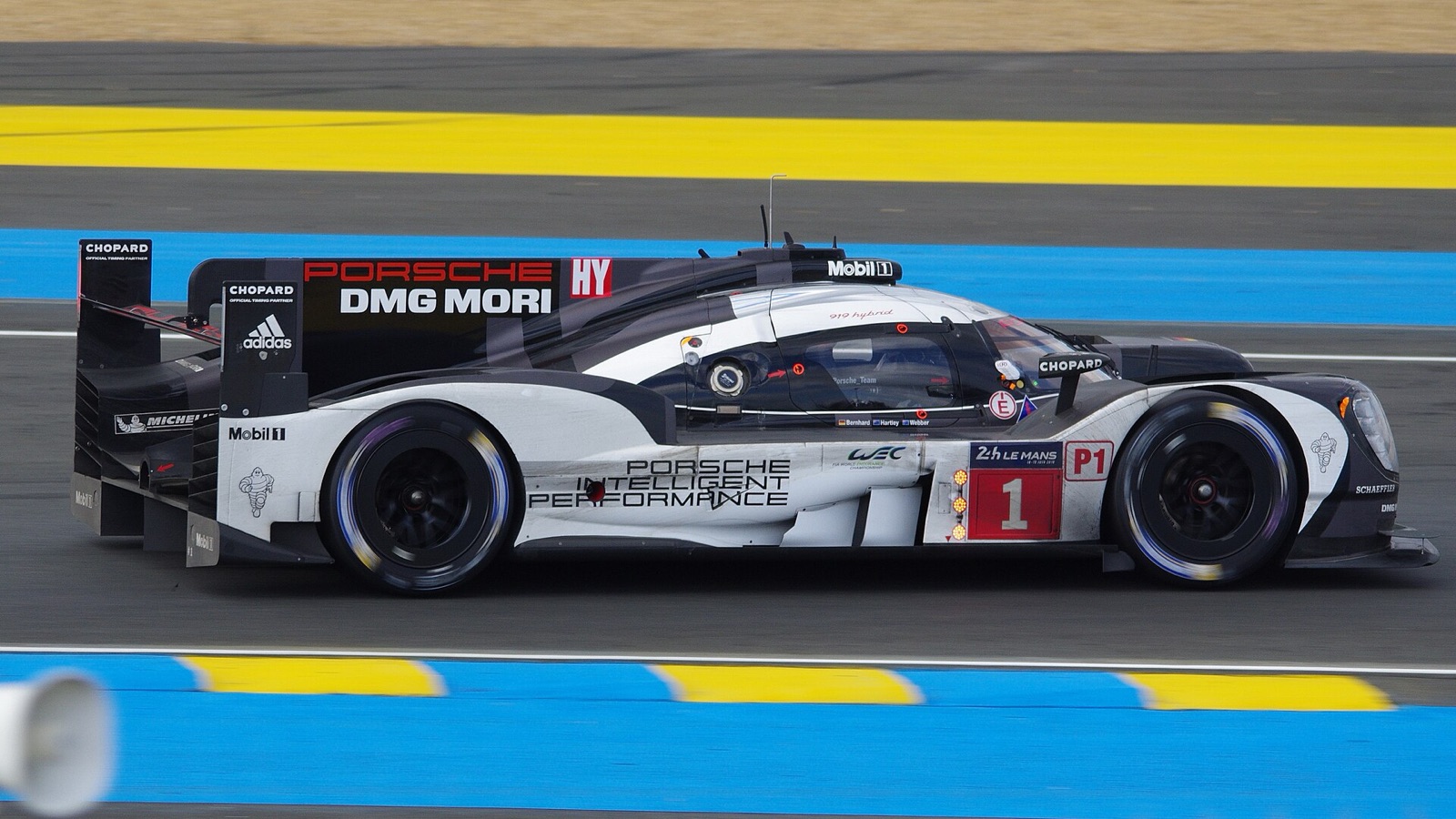
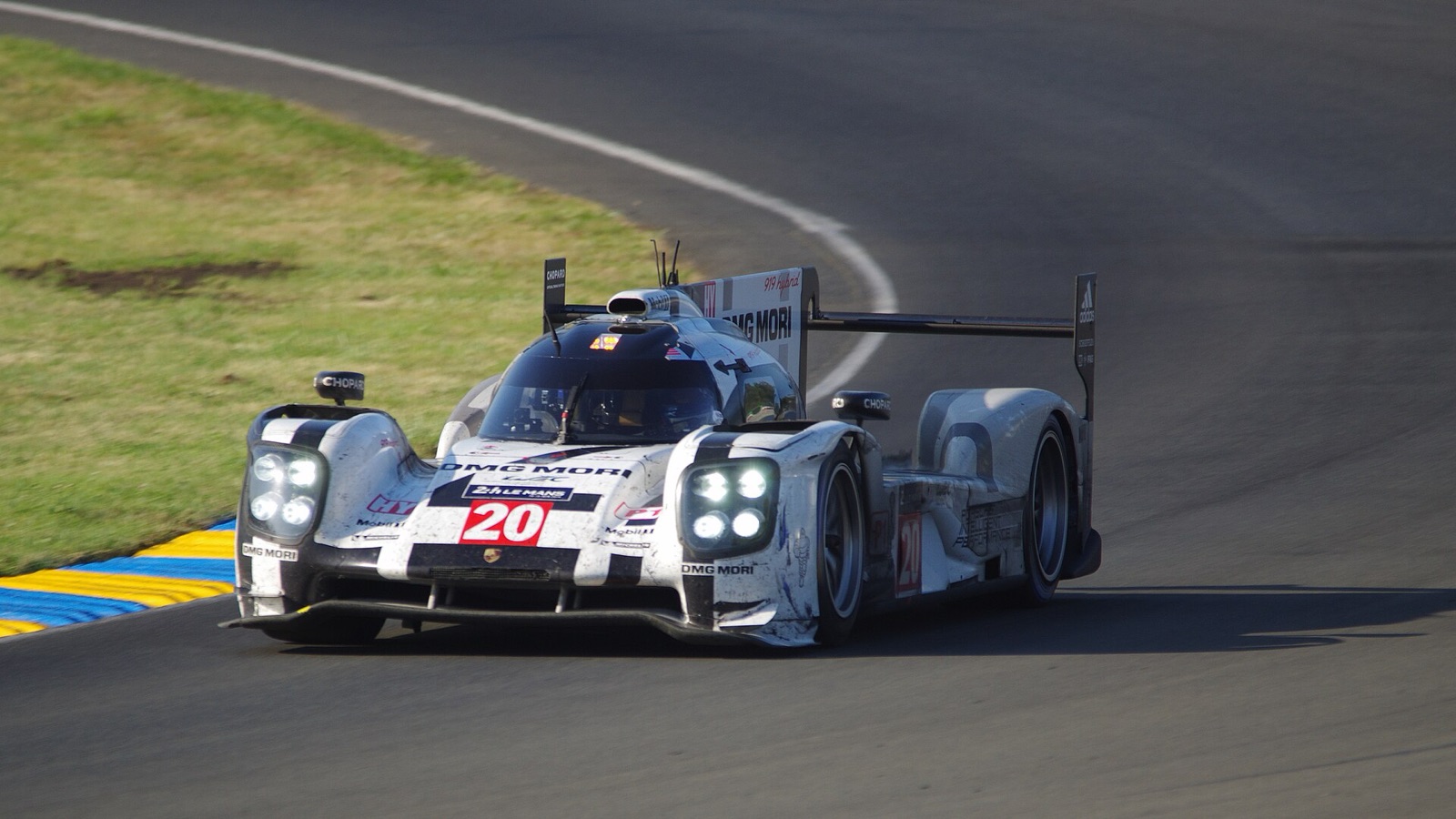
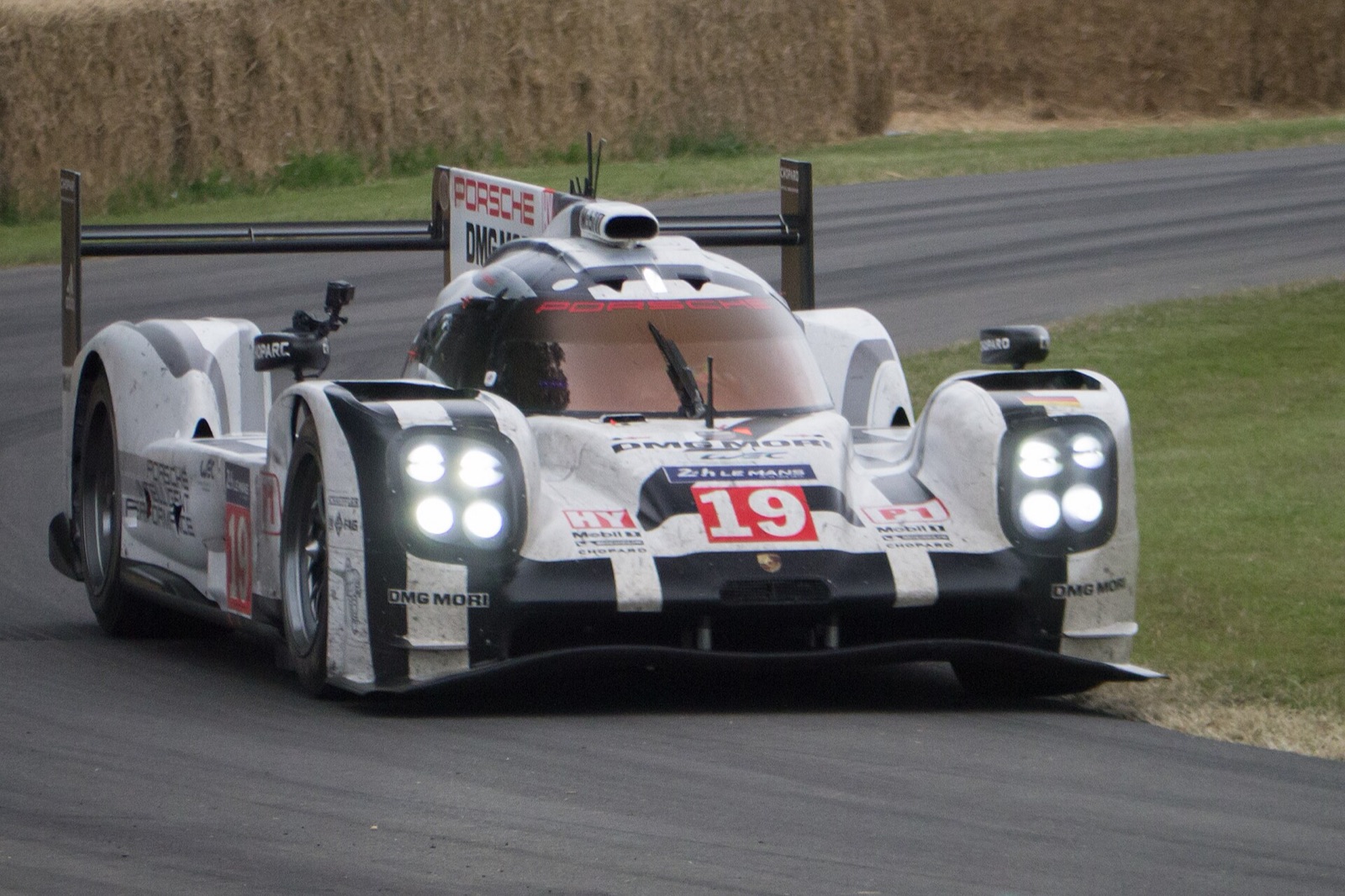
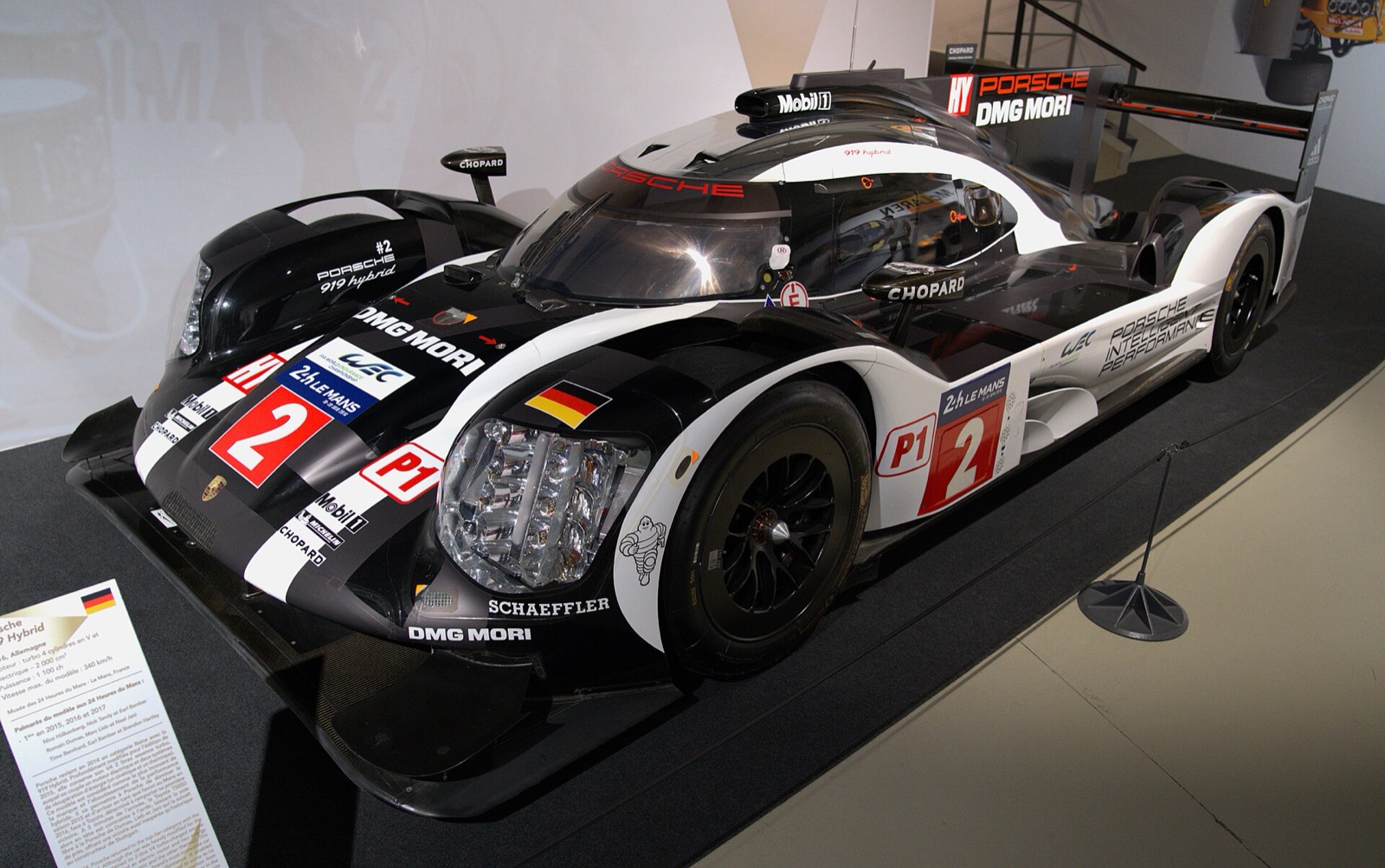
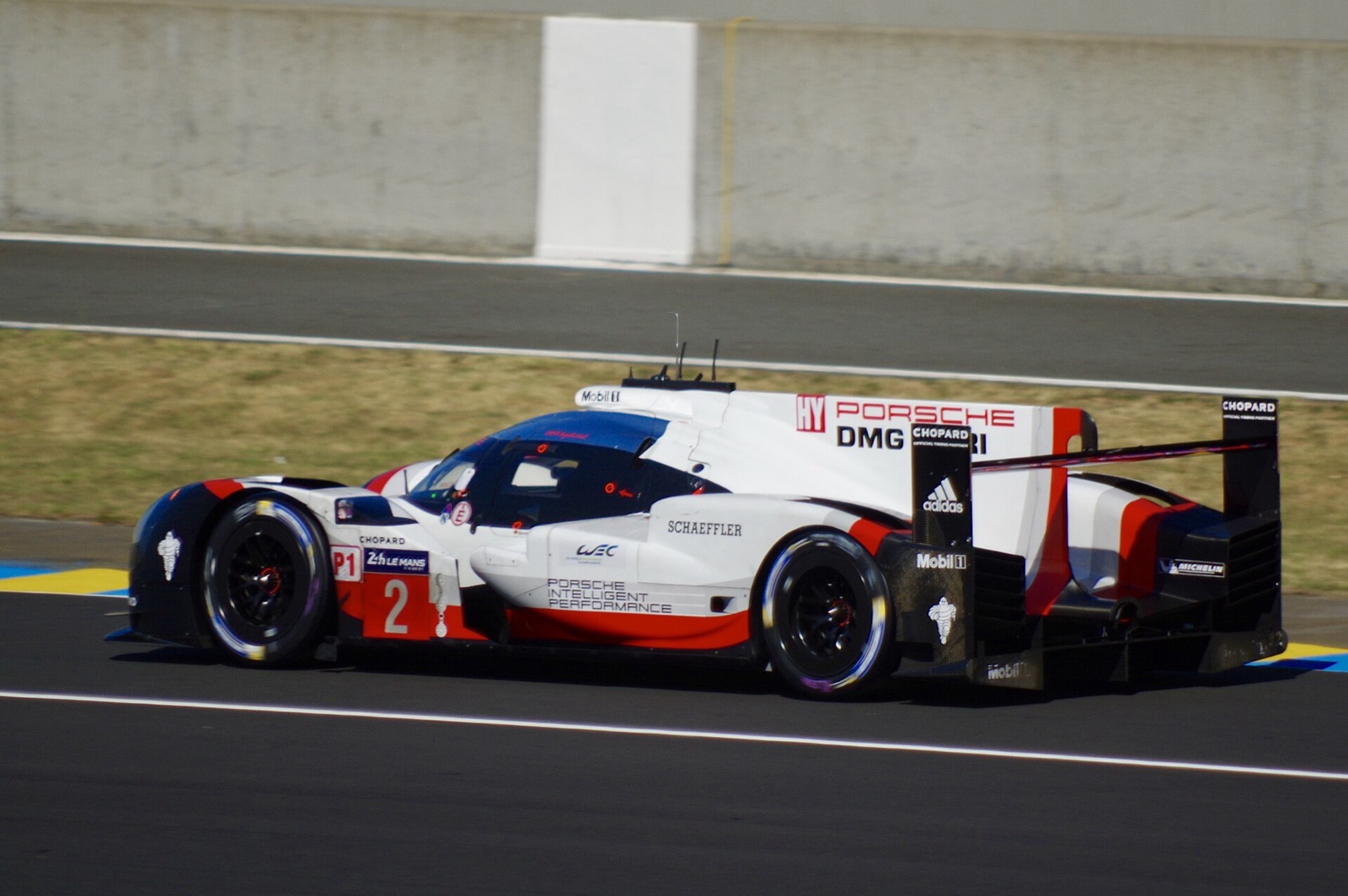
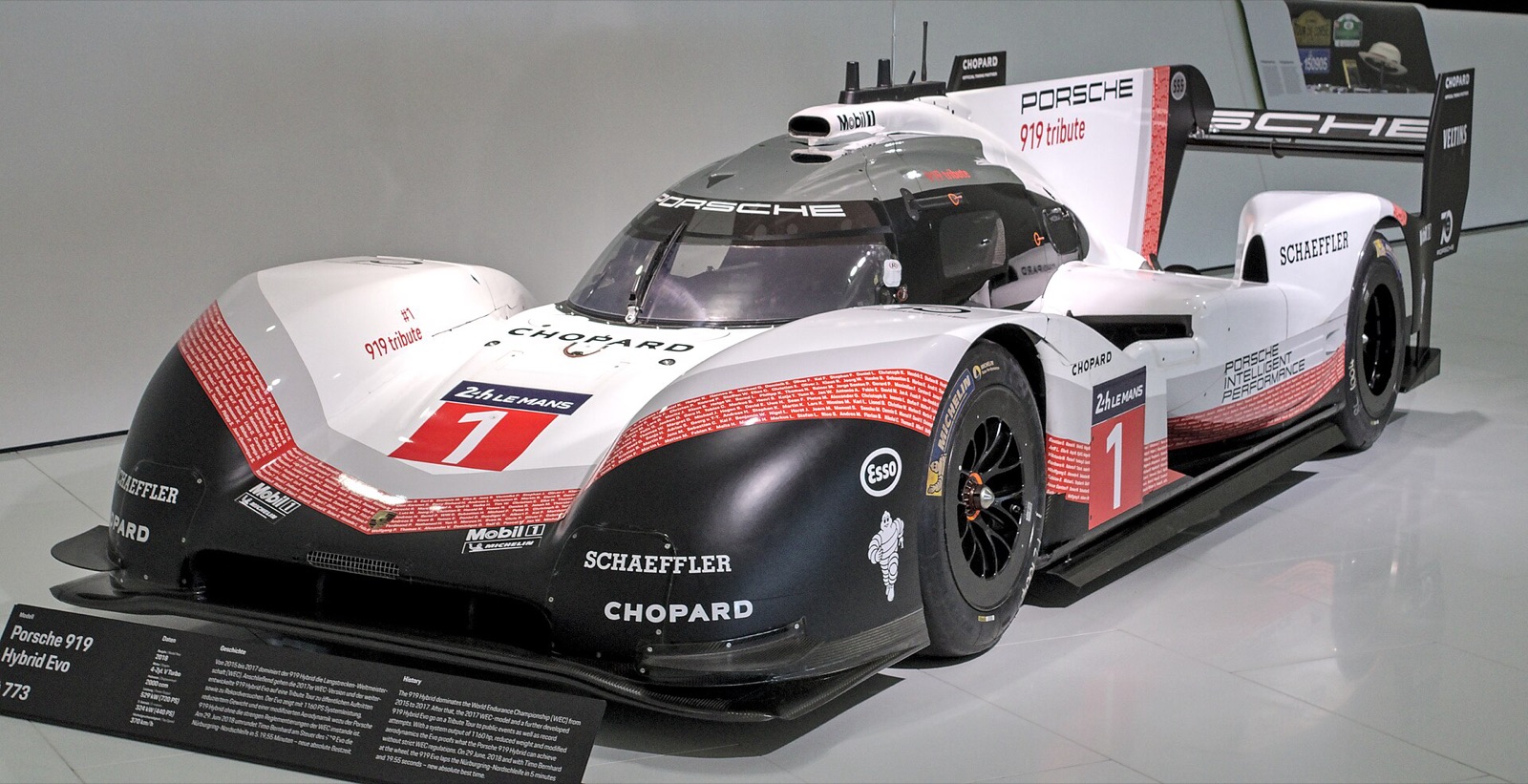
    A 917 wins the Le Mans 24 Hours outright for the first time, beginning a record that still stands: Porsche has more overall victories at Le Mans than any other manufacturer.

“In the beginning I looked around and could not find quite the car I dreamed of. So I decided to build it myself.”
Ferry Porsche on the first 356, Gmünd, 1948

The Through-Line

A silhouette across nine decades

Scrub the timeline to filter the collection by era. Every year here is anchored to the cars below.

All eras · 1931–2026

Nine decades in one sweep — from an engineering consultancy in 1931 to the electric Taycan. Select an era to trace the through-line, or explore the whole story below.

The Collection

Seventeen cars, one lineage

Filter by era above or by discipline here. Every car opens to its full story — the fact, the design note, the reason it mattered.

Showing all 17 cars

Design DNA

A shape you could draw blind

Sixty years of refinement, and the gestures never moved. Trace the signatures that make a silhouette unmistakably a 911.

Side profile of a Porsche 911 with numbered design hotspots. 1 2 3 4 5
An original illustration of the Porsche 911 side profile. Use the numbered controls below to explore its design signatures.
01 — 05

The Flyline

The unbroken roofline that sweeps from the windscreen down into the tail. It is the 911’s signature gesture — the single line your eye follows from A-pillar to rear bumper.

The Signature

Sixty years, one silhouette

Scrub across every generation of the 911, from the 1963 original to today. Watch how little the fundamental shape has moved — refinement, never reinvention.

A Porsche 911 side profile that morphs across eight generations.
1963–1973

Ur-911 (901 / F-series)

The original. Long bonnet, upright glass, the purest expression of the shape.

Drag to morph the 911 silhouette between generations. Under reduced motion, the slider snaps to whole generations.

Livery

The Colours

Dressed for the part

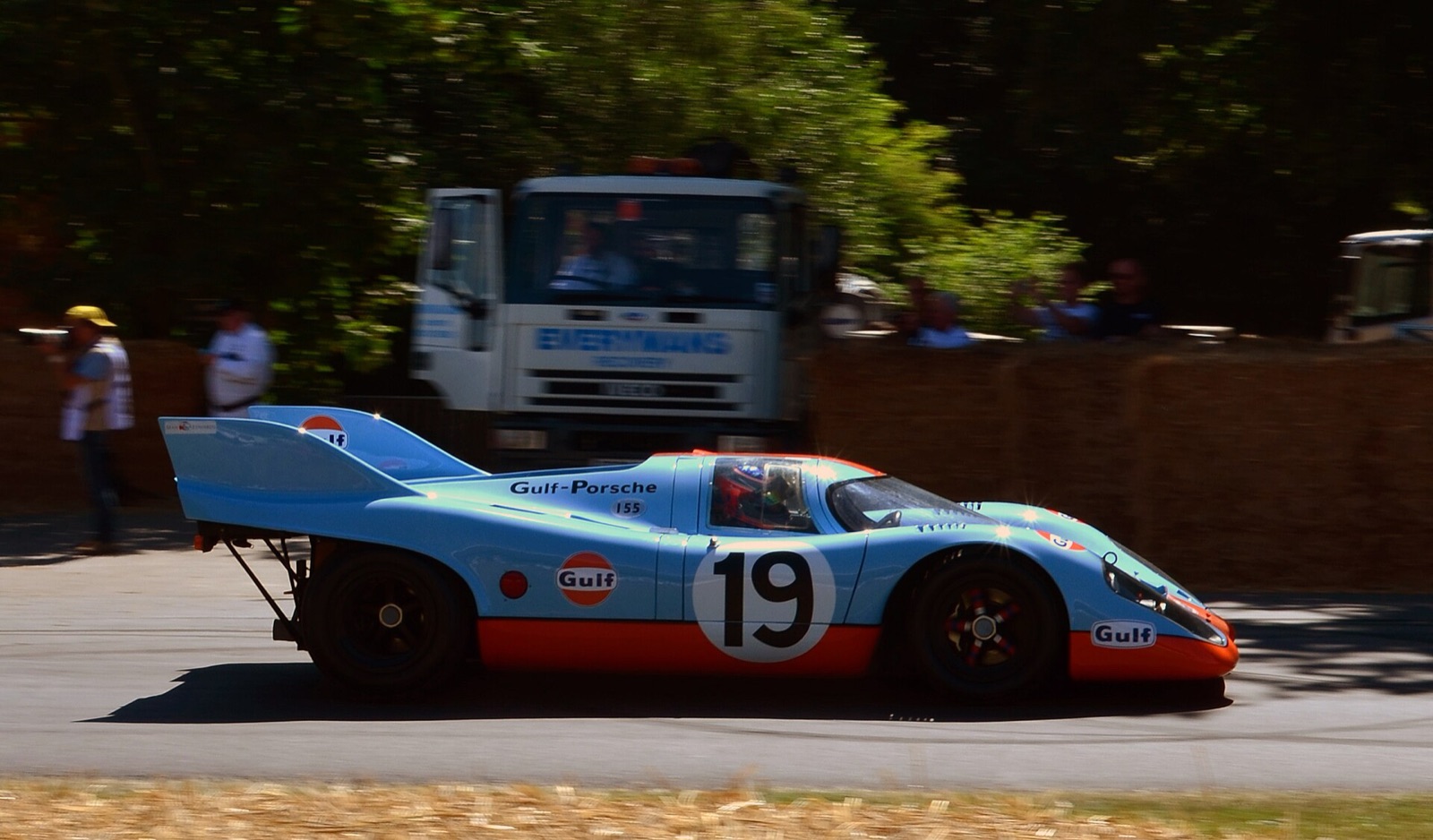
From the definitive Guards Red to the Gulf blue-and-orange of Le Mans legend — pick a livery and watch the silhouette change its stripes.

A Porsche 911 silhouette painted in the selected livery.
Guards Red The definitive Porsche red.

Select a livery

Culture & Myth

The stories behind the crest

  • A people’s car, a sports-car empire

    The mechanicals that made the first Porsches possible came from the Volkswagen Beetle — a car for the masses, designed by Ferdinand Porsche’s firm. A humble people’s car seeded one of the most exclusive names in motoring.

  • The crest is a map of Stuttgart

    The Porsche crest layers two coats of arms: the black horse of Stuttgart — built on a former stud farm, a “Stutengarten” — framed by the red-and-black stripes and antlers of the historic state of Württemberg. It’s civic heraldry, not a logo drawn from scratch.

  • Kings of Le Mans

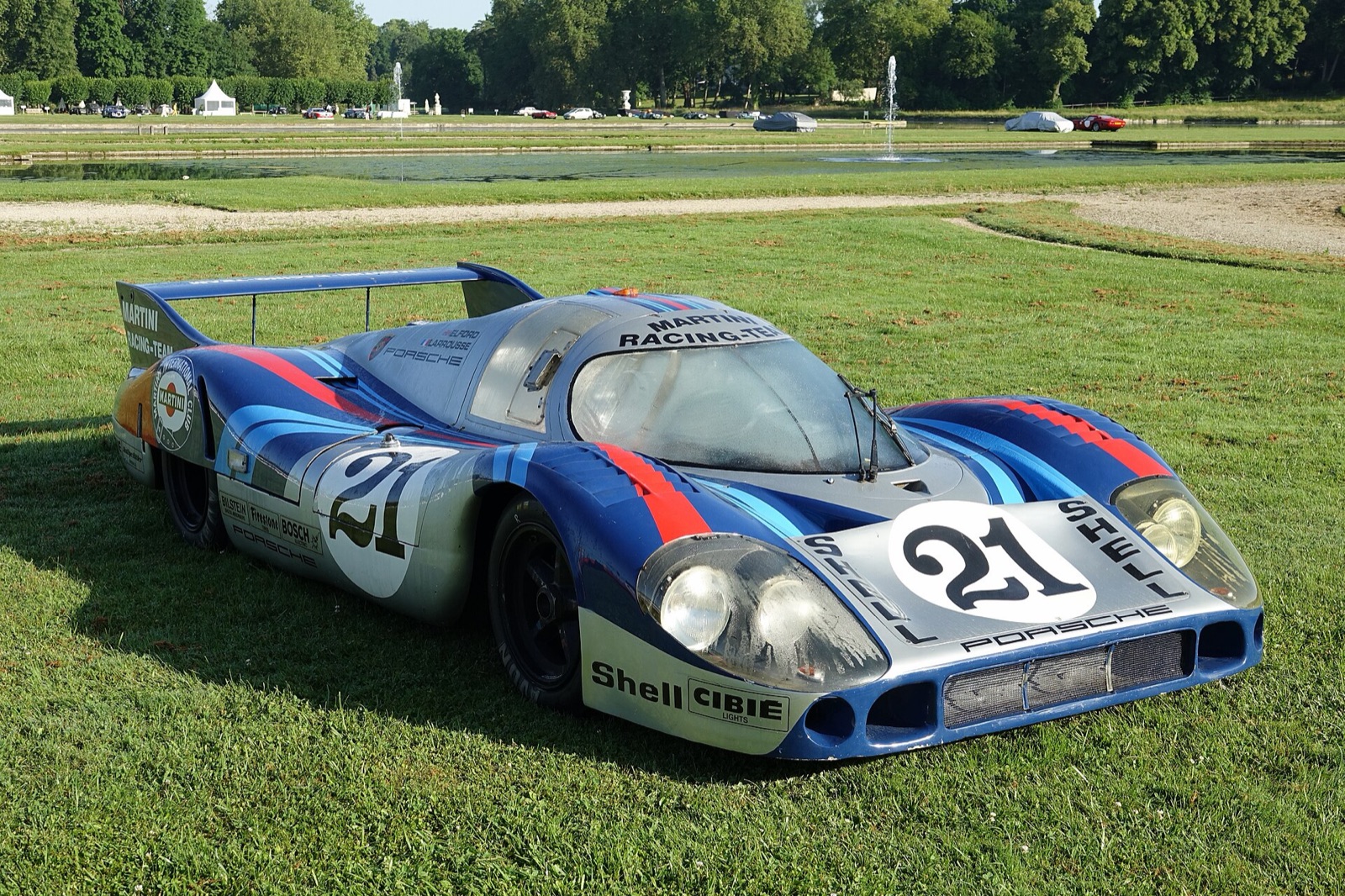
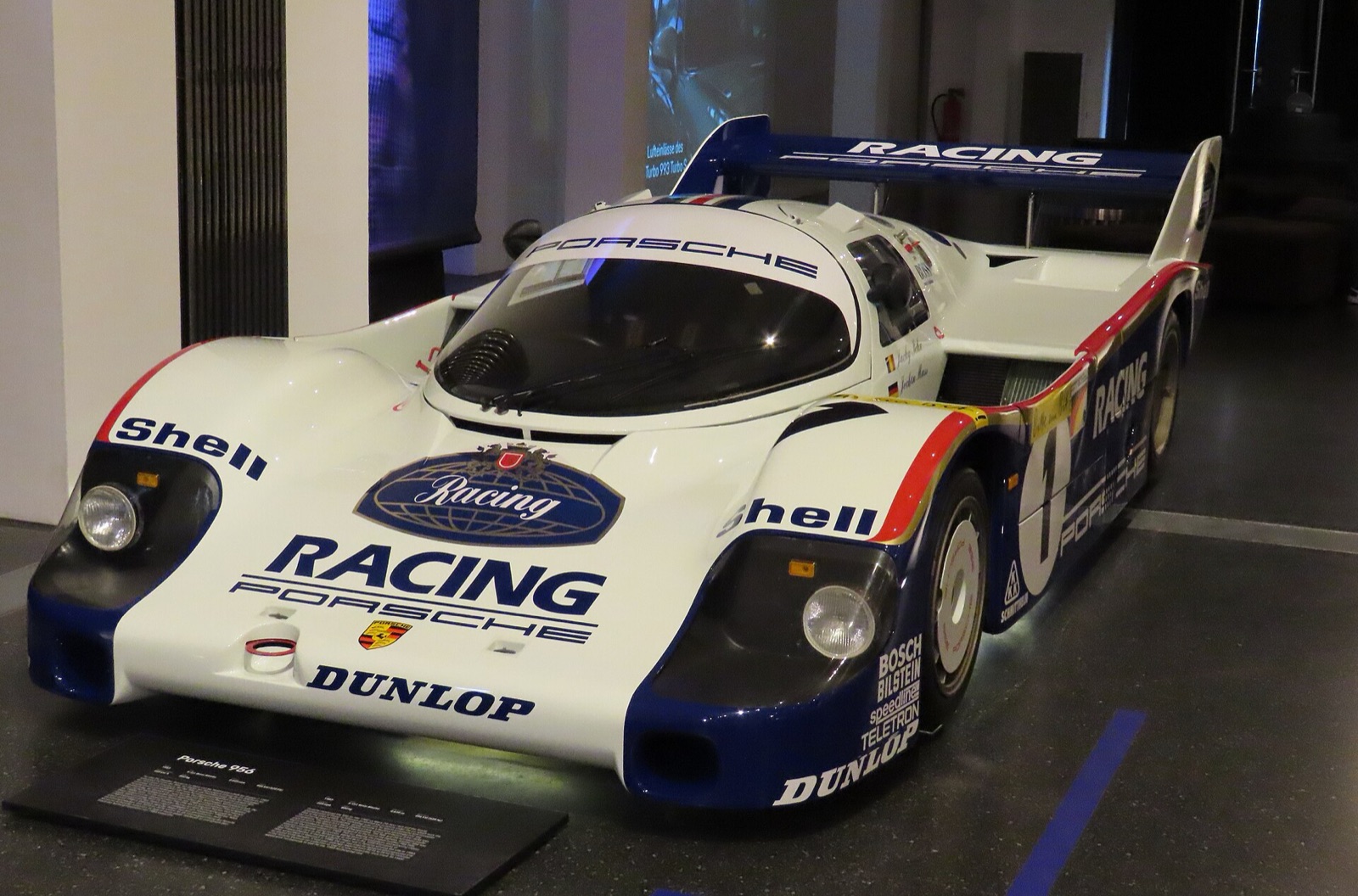
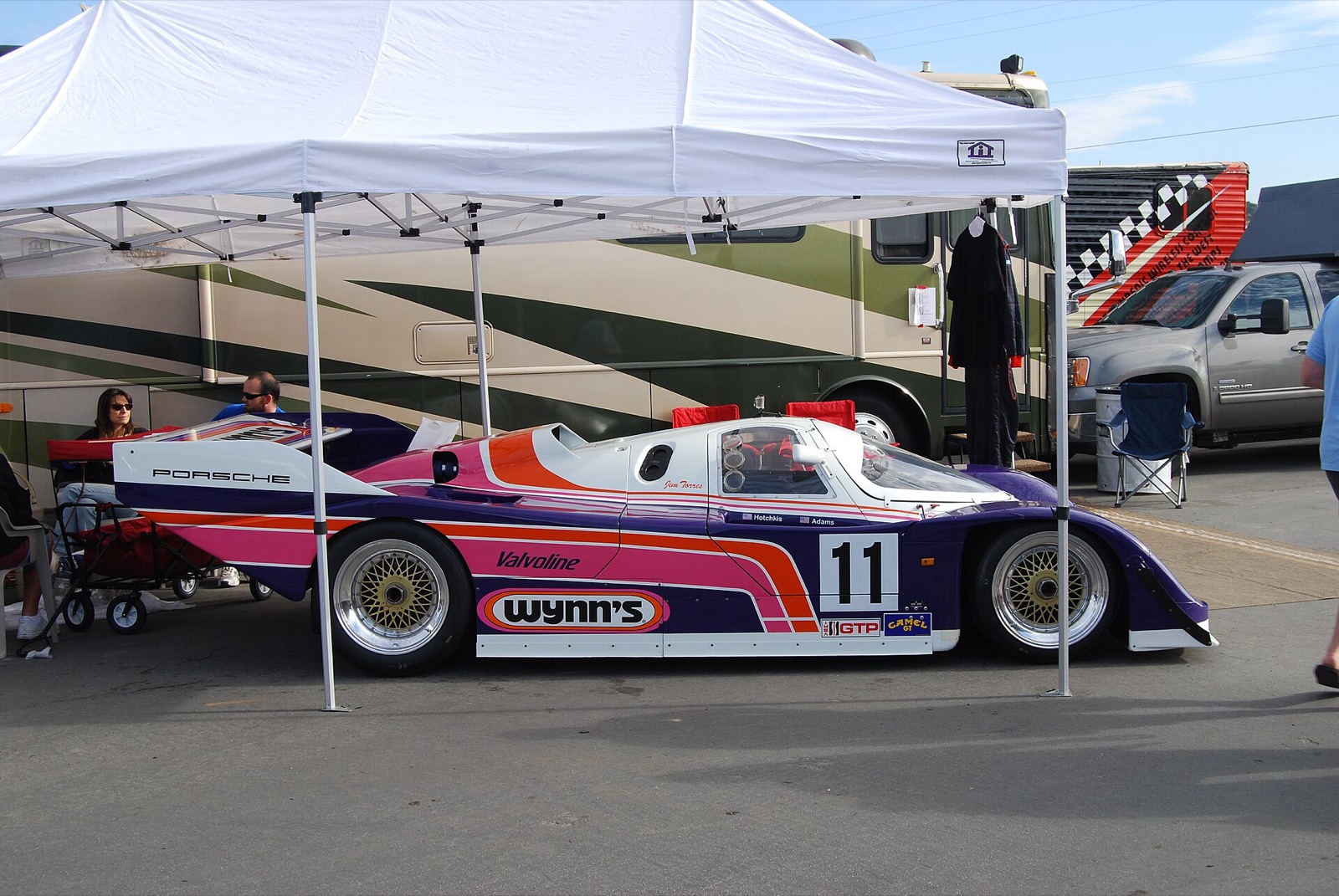
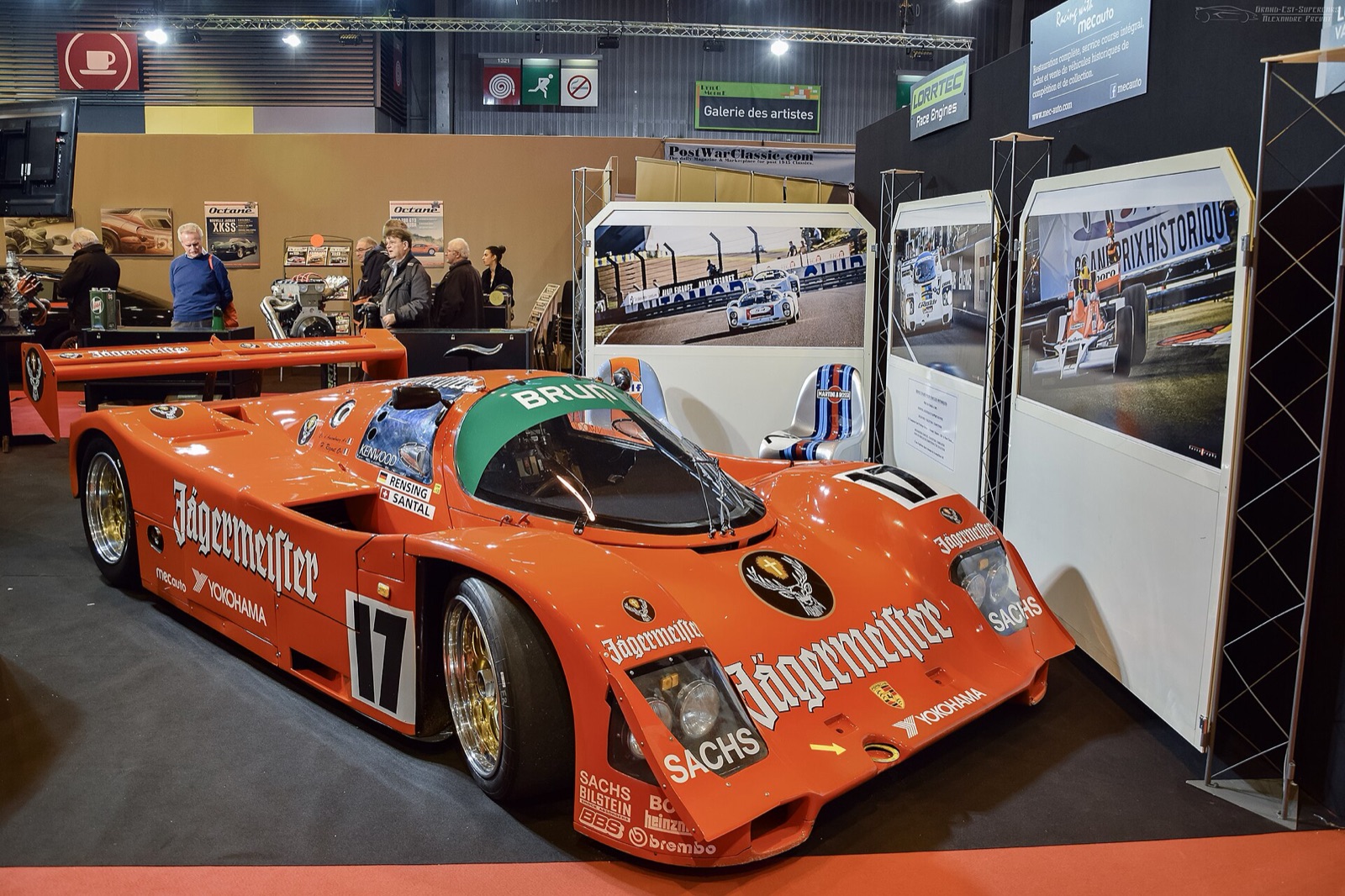
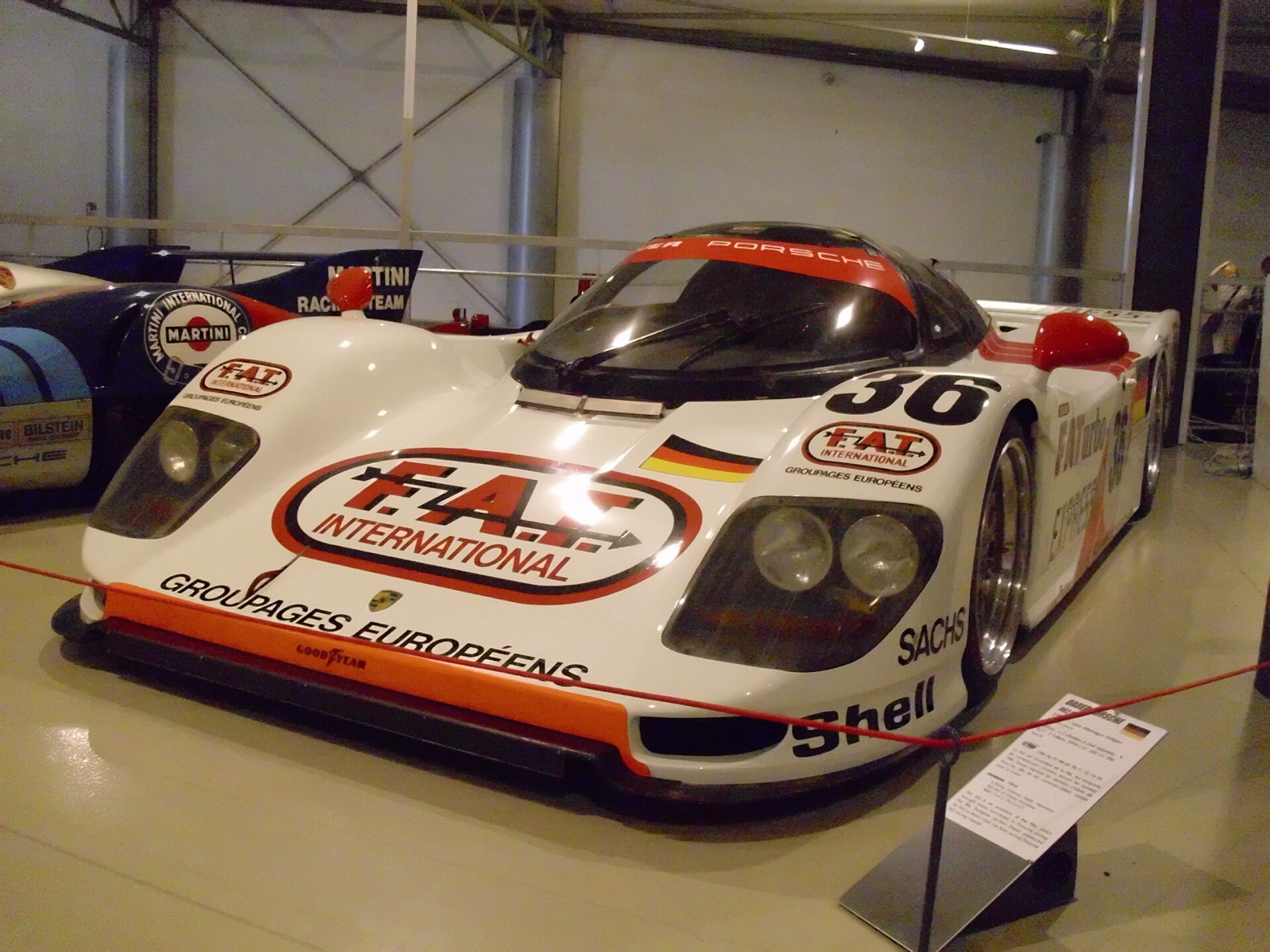
    Porsche holds more overall wins at the 24 Hours of Le Mans than any other manufacturer — 19 — a dominance that began with the 917 in 1970 and runs through the 956, 962 and 919. // VERIFY count (19 as of the mid-2020s)

  • The shape that refused to change

    The 911’s silhouette has barely moved in sixty years. That isn’t laziness — it’s philosophy. Porsche refines rather than replaces, treating the 911’s shape as a constant to be perfected, not a fashion to be chased.

“The 911 is the only car you could drive from an African safari to Le Mans, then to the theatre, and finally home.”
Attributed to Ferry Porsche